
Oman Strengthens Oil and Gas Sector While Advancing Clean Energy Initiatives for Future Leadership
Oman is enhancing its oil and gas sector while simultaneously accelerating efforts in clean energy to ensure its long-term energy leadership. Petroleum accounts for 35% of the country's GDP, with over 80% of oil output exported, primarily to China. The government is refining exploration strategies to attract international partners and diversify its energy portfolio. Concurrently, Oman aims to become a global leader in hydrogen production, targeting 1 million tonnes annually by 2030, supported by significant international investments. This dual approach seeks to balance traditional energy revenues with renewable resources.
 Theia Market Signal Identification - AI Assisted
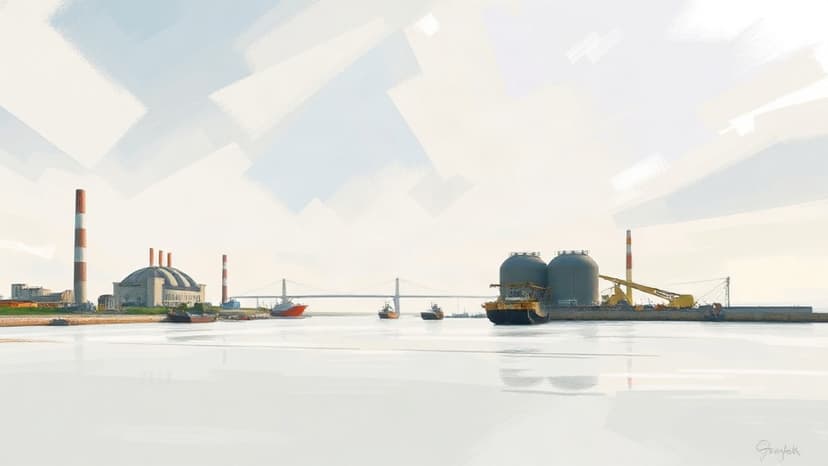
Oman is charting a bold course for its energy future, balancing the reinforcement of its traditional oil and gas sector with a progressive shift towards clean energy initiatives. According to the Ministry of Commerce, Industry, and Investment Promotion's advisory report for 2025, petroleum remains the backbone of the Omani economy, contributing 35% to the GDP as of the second quarter of 2024 and attracting the majority of foreign direct investment. With more than 80% of the nation's oil output exported—predominantly to China, which absorbs over 90% of these shipments—Oman is keenly aware of the need to refine its exploration and production strategies.
Mohsen Al Hadrami, Undersecretary at the Ministry of Energy and Minerals, emphasized the diverse energy portfolio that positions Oman as a resilient player in the global market. By focusing on both conventional and unconventional resources, including heavy oil and tight gas, the country aims to attract international partners and bolster its production capabilities.
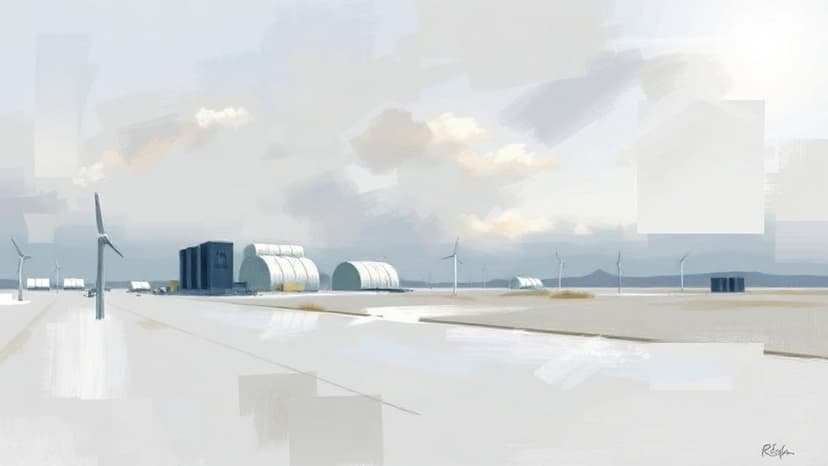
Simultaneously, Oman is carving out a significant role in the global clean fuels sector. Under the leadership of the Energy Development team, the government is spearheading hydrogen production initiatives, with ambitious targets of producing 1 million tonnes annually by 2030 and scaling up to 8.5 million tonnes by 2050. The recent second auction round in 2024 has already secured commitments amounting to approximately $18.8 billion to produce 1.4 million tonnes of hydrogen annually, reflecting a robust international appetite for clean fuel solutions.
As Europe, Japan, and South Korea seek reliable long-term supplies of clean fuels, Oman is strategically positioned to bridge the gap between hydrocarbons and renewable energy. This dual-track strategy not only safeguards the country's oil and gas revenues but also harnesses solar and wind resources, aiming to establish Oman as the Middle East's largest hydrogen exporter by 2030. Such a comprehensive approach underscores the nation's commitment to securing its energy leadership in an evolving global landscape.


Comments