
Pakistan Faces Health and Economic Issues from Chinese Coal Power Projects
Pakistan's reliance on Chinese coal-fired power plants, particularly the Sahiwal facility, has resulted in severe health issues for nearby residents and significant economic challenges, including a staggering circular debt of approximately $9 billion. While the government is exploring options to renegotiate contracts and potentially retire some coal plants, it faces hurdles due to binding agreements with Chinese investors. The shift towards solar energy among households further complicates the financial landscape for utility companies.
 Theia Market Signal Identification - AI Assisted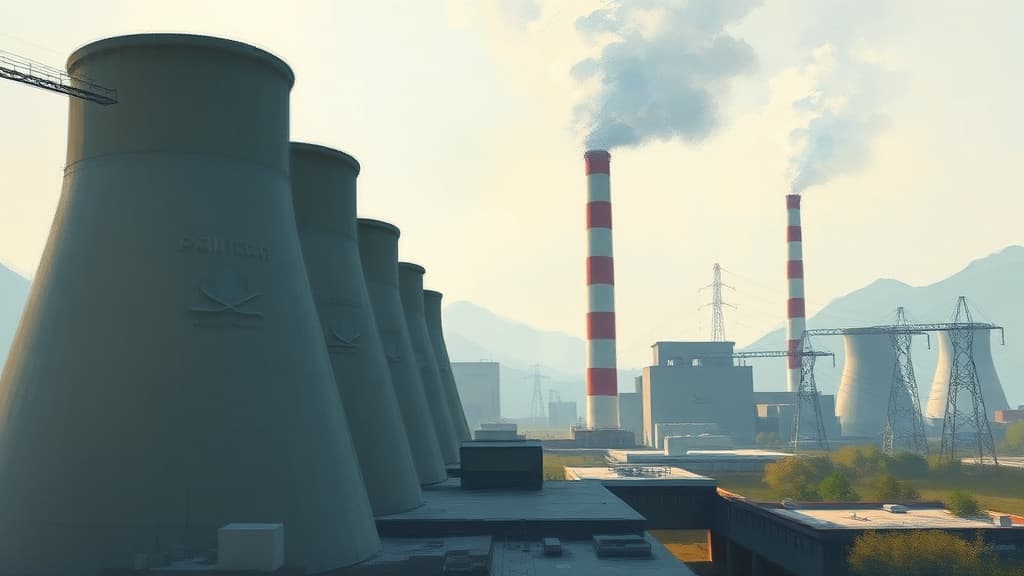
Pakistan's reliance on Chinese coal-fired power plants, initiated in 2015, is leading to significant health and economic repercussions. The Sahiwal power plant, part of a broader multibillion-dollar Belt and Road initiative, has been operational since 2017 and is one of eight plants financed by China.
Residents nearby report worsening respiratory issues and other health problems attributed to pollution from the plant. Despite generating electricity, Pakistan struggles with soaring costs and significant circular debt, estimated at 2.6 trillion Pakistani rupees (about $9 billion).
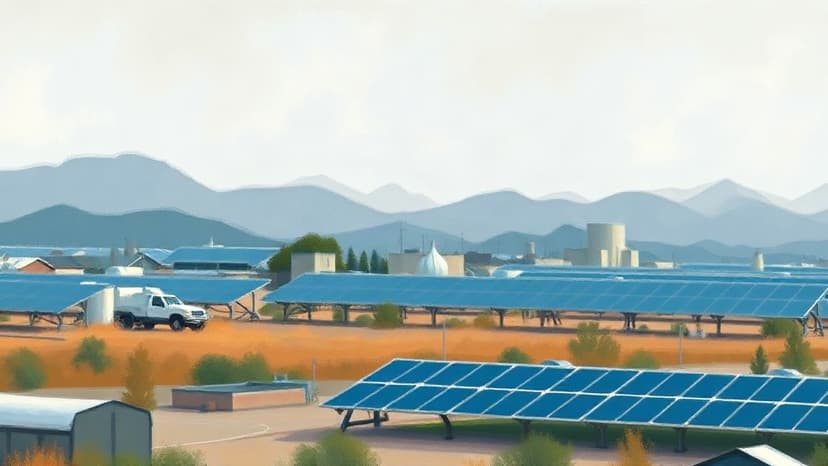
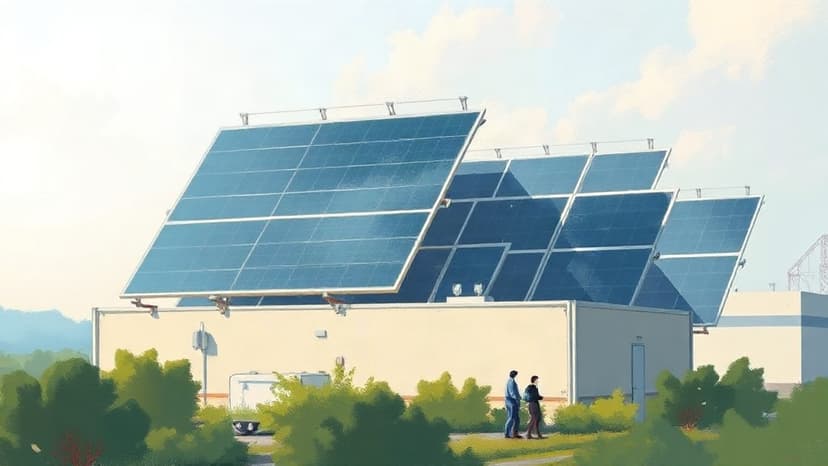
The government is locked into contracts requiring payment for 85% of electricity capacity regardless of actual generation, exacerbating financial strains. As households turn to solar energy, the utility companies face declining revenues, further complicating the energy crisis. The government is exploring options to renegotiate contracts and potentially retire some coal plants, including Sahiwal, but faces challenges due to existing agreements with Chinese investors.

Comments