
Pakistan Transitions to Energy Independence with Nuclear and Solar Power Solutions
Pakistan's energy landscape has shifted significantly from reliance on imported fuels to greater energy independence. The launch of the K-2 nuclear reactor in May 2021 doubled nuclear output, providing crucial baseload power. Concurrently, the adoption of rooftop solar installations surged, with estimates of 14 to 20 gigawatts of capacity generating around 20 terawatt-hours annually by mid-2025. Total indigenous generation is projected to rise from 96 terawatt-hours in FY 2020-21 to 147 terawatt-hours in FY 2024-25, while energy independence increased from 66% to 85%.
 Theia Market Signal Identification - AI Assisted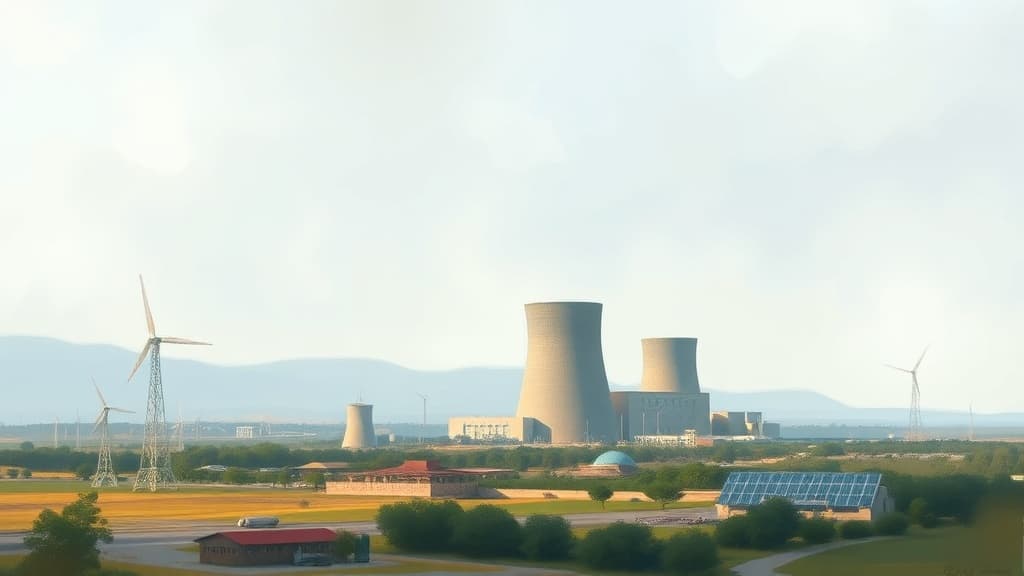
Pakistan has made notable strides in energy independence, shifting from reliance on imported fuels to domestic energy sources. The K-2 nuclear reactor, operational since May 2021, has significantly increased nuclear output from 10.9 to over 22 terawatt-hours.
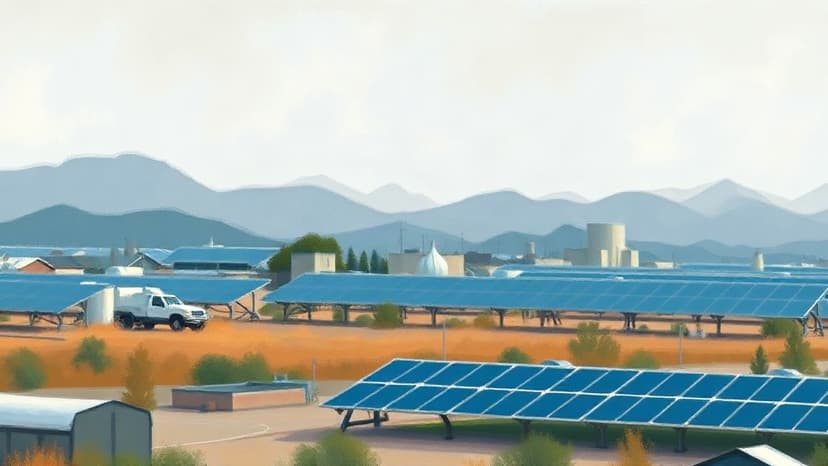
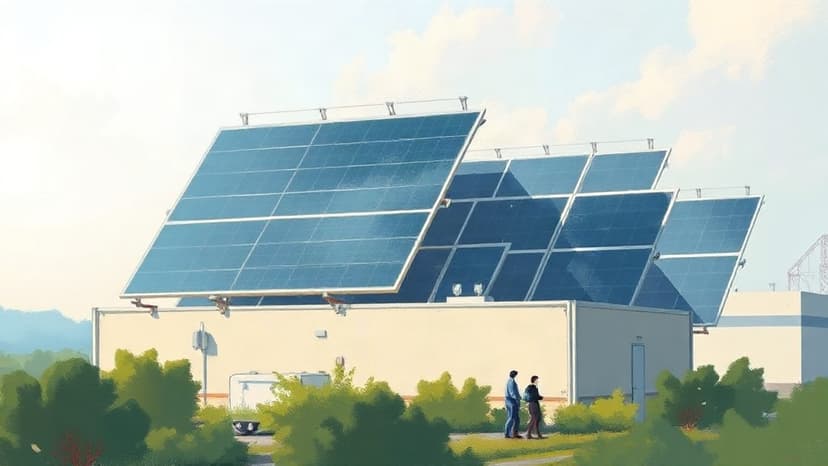
Concurrently, rooftop solar installations have proliferated, adding an estimated 14 to 20 gigawatts of capacity, generating about 20 terawatt-hours annually by mid-2025. Indigenous generation is expected to grow from 96 terawatt-hours in FY 2020-21 to 147 terawatt-hours in FY 2024-25, and energy independence has risen from 66% to 85%. Despite challenges in official statistics and cross-subsidies among consumers, the energy security crisis has been substantially mitigated.

Comments