
Project Finance Essential for U.S. Nuclear Power Plant Construction
The U.S. faces challenges in constructing large-scale nuclear power plants primarily due to financial structuring rather than safety concerns. Proposed project finance strategies aim to attract investment by separating liabilities and utilizing standardized designs, equity partners, and government incentives, potentially making nuclear energy a competitive baseload power source. Reforming the regulatory framework is essential to reduce costs and encourage investment, aligning nuclear energy development with economic and environmental goals.
 Theia Market Signal Identification - AI Assisted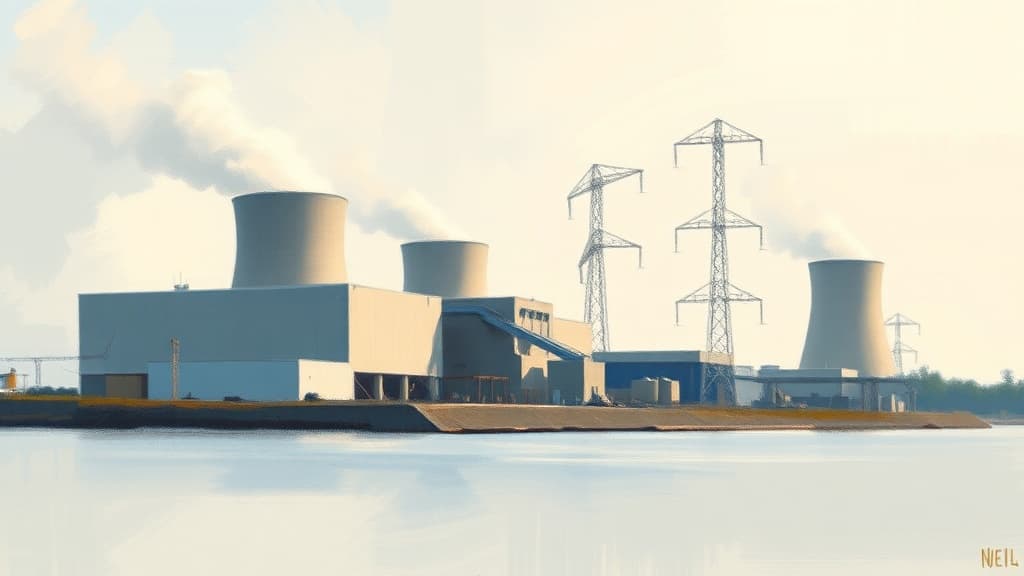
The U.S. lacks large-scale nuclear plants due to financial structure issues, not safety. Project finance is proposed to address this, separating liabilities and allowing investors to fund assets directly.
With projected industrial electricity demand rising significantly, nuclear is positioned as a crucial baseload power source. A structured approach involves standardized designs, equity partners, debt providers supported by the Department of Energy, long-term power purchase agreements from major tech companies, and government incentives.
This could reduce costs and improve competitiveness, allowing nuclear LCOE to match commercial viability. The current regulatory framework needs reform to encourage investment, as stable regulations could significantly reduce project costs. Project finance could revitalize U.S. nuclear energy and align it with economic and environmental objectives.


Comments