
Proposed Enhancements to Slurry Storage and Biogas Facility Regulations Aim to Improve Sustainability in Agriculture
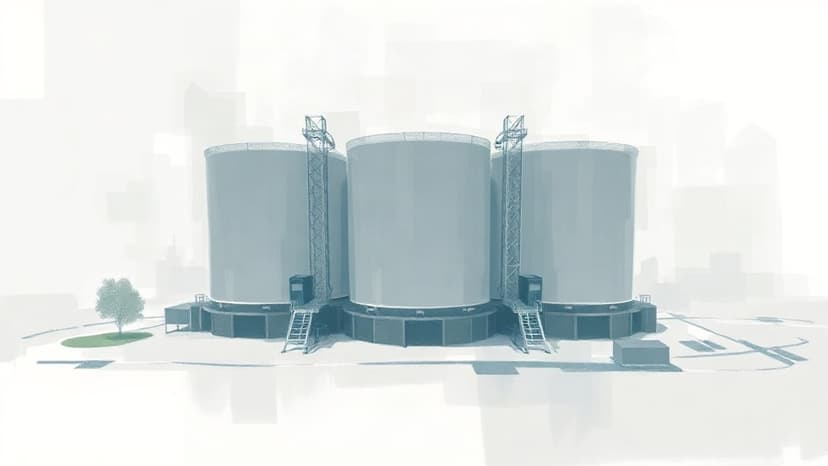
The proposal advocates for significant changes to slurry storage regulations, suggesting that the minimum storage capacity be raised from 1,000 to 2,500 cubic meters. This adjustment aims to buffer against adverse weather during manure and digestate application, enhancing nutrient uptake by plants. It also calls for covering all storage tanks to reduce emissions and improve nutrient quality. Additionally, the proposal seeks exemptions for larger biogas plants using land-spread materials and aims to standardize storage height regulations for silage and biomass facilities, while extending exemptions for renewable energy technologies.
 Theia Market Signal Identification - AI Assisted
In a bid to bolster sustainable agricultural practices, a proposal has been put forth to revise slurry storage regulations significantly. The current requirement for storage capacity, set at 1,000 cubic meters, is suggested to increase to 2,500 cubic meters.
This change is intended to provide a crucial buffer against adverse weather conditions that can hinder the effective application of manure and digestate. By optimizing nutrient availability during the growing season, the initiative aims to enhance environmental benefits and improve water quality through more effective land spreading.
Moreover, the proposal emphasizes the importance of covering all storage tanks. This measure would not only mitigate air emissions but also prevent rainwater ingress, thereby enhancing the nutrient profile of stored materials. Farms equipped with additional storage facilities are identified as valuable collaborators for local biogas and biomethane plants, with tillage farms, often reliant on imported organic manures, being included in exemption considerations despite lacking livestock buildings.
The discussion extends to biogas facilities that comply with the Department of Agriculture, Food and the Marine's regulations, advocating for their exemption from development constraints. Furthermore, larger biogas plants utilizing materials eligible for land spreading are also proposed for exemption, reflecting a push towards more inclusive regulatory frameworks.
In addressing silage storage, the proposal seeks to increase the current exemption threshold from 200 square meters to 1,000 square meters. This expansion is deemed essential for the development of silage facilities that would serve as feedstock for biomethane production.
A notable contradiction within existing exemptions is also highlighted, where the height limits for animal feed silos differ significantly from those for biomass storage facilities. To rectify this inconsistency, it is proposed that biomass storage on farms should be permitted up to 8 meters.
Lastly, the proposal calls for an extension of exemptions to encompass all containerized biomass-fueled heating systems, particularly those providing heat to educational facilities. In the realm of health exemptions, it suggests broadening the definition of renewable energy technologies to include biomass and biogas, thus supporting the generation of renewable heat for medical sites. This comprehensive approach not only aims to enhance operational efficiency for farmers but also significantly contributes to environmental sustainability in agriculture.



Comments