
Purdue University Develops Transonic Turbine Designs for Next-Gen Propulsion Systems
Purdue University's innovative turbine designs can operate at transonic inlet speeds, enhancing flexibility for industrial applications such as rotating detonation engines. Funded by the U.S. Department of Energy, these designs outperform traditional turbines by accommodating a wider range of Mach numbers, potentially improving fuel efficiency. Ongoing research aims to refine these designs and bridge the gap between laboratory concepts and industrial implementation.
 Theia Market Signal Identification - AI Assisted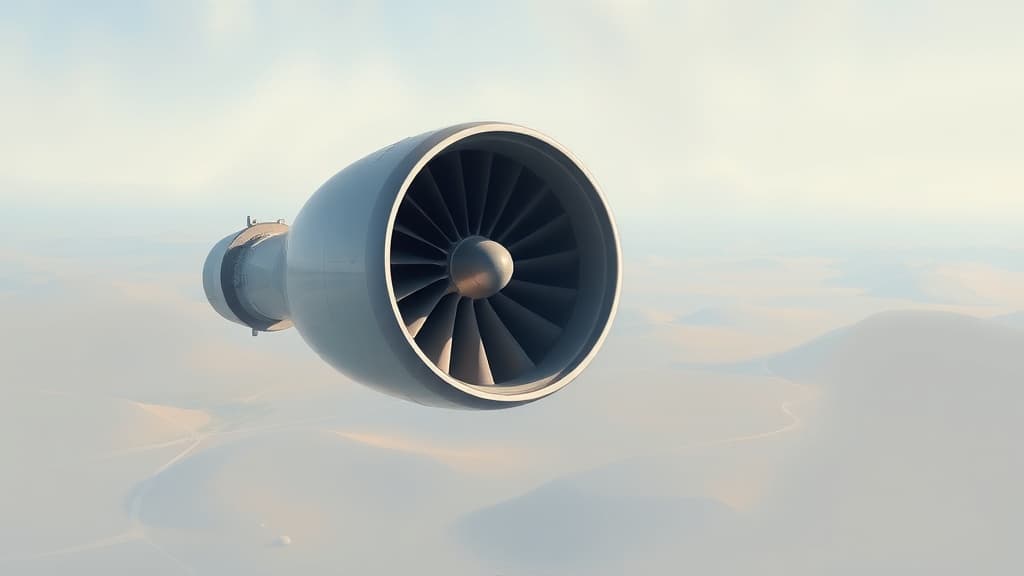
Purdue University has developed turbine designs that accommodate transonic inlet speeds, proven through computational analyses and experimental demonstrations. These designs are applicable in rotating detonation engines for power generation and aerospace propulsion.
Traditional turbines are limited to low Mach numbers, while Purdue's transonic turbine can operate across a broader range, enhancing engine flexibility. The U.S. Department of Energy funds this research, which aims to improve fuel efficiency and integrate diodic valves to manage pressure fluctuations. Future work includes refining designs and validating performance for industrial deployment.




Comments