
Seismic Nodes Deployed in Aberdeen for Geothermal Energy Research
Researchers in Aberdeen have begun deploying 100 seismic nodes across the city to create a 3D subsurface map for geothermal heating. The sensors will record vibrations over the next 1-2 months to inform potential geothermal energy solutions. Funded by a £1 million grant from UKRI and led by the University of Aberdeen, the project includes plans for a borehole on King's College campus to gather in-depth geological data. The initiative aims to aid low-carbon heating efforts and reduce carbon emissions in the region.
 Theia Market Signal Identification - AI Assisted
The University of Aberdeen is leading a geothermal energy project in Aberdeen, deploying 100 seismic nodes throughout the city to create a 3D subsurface map. The nodes, buried in various public and private areas, will record seismic vibrations for 1-2 months, helping to identify suitable locations for geothermal heating.
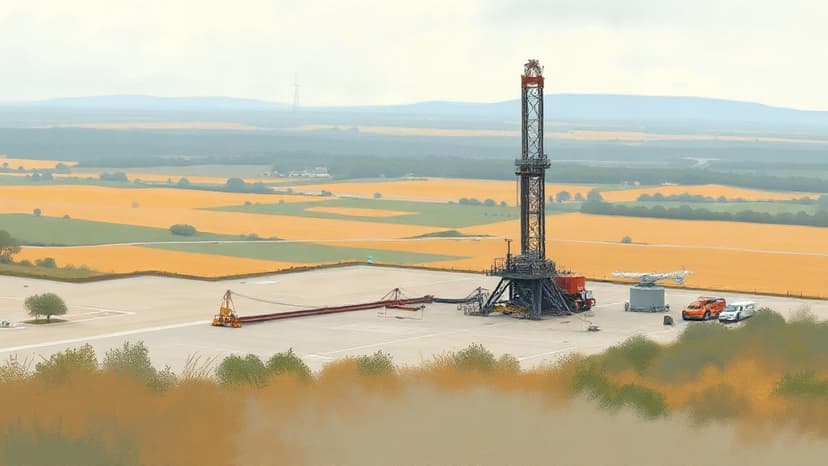
The project is funded by a £1 million grant from UKRI and involves plans for a borehole on King's College campus, which will provide critical data on subsurface conditions. The initiative, part of the Aberdeen Geothermal Feasibility Pilot, aims to support sustainable energy solutions and reduce carbon emissions.


Comments