
Shanghai Jiao Tong University Develops 2,021 Wh/kg Sodium-Sulfur Battery
Researchers at Shanghai Jiao Tong University have developed a sodium-sulfur battery prototype with an impressive energy density of 2,021 Wh/kg, comparable to lithium-ion batteries. Utilizing abundant materials like salt and sulfur, this non-flammable battery operates at room temperature and aims to reduce reliance on lithium, cobalt, and nickel, thereby addressing environmental and geopolitical concerns. The technology offers a safer, decentralized alternative for energy storage, promoting greater energy independence.
 Theia Market Signal Identification - AI Assisted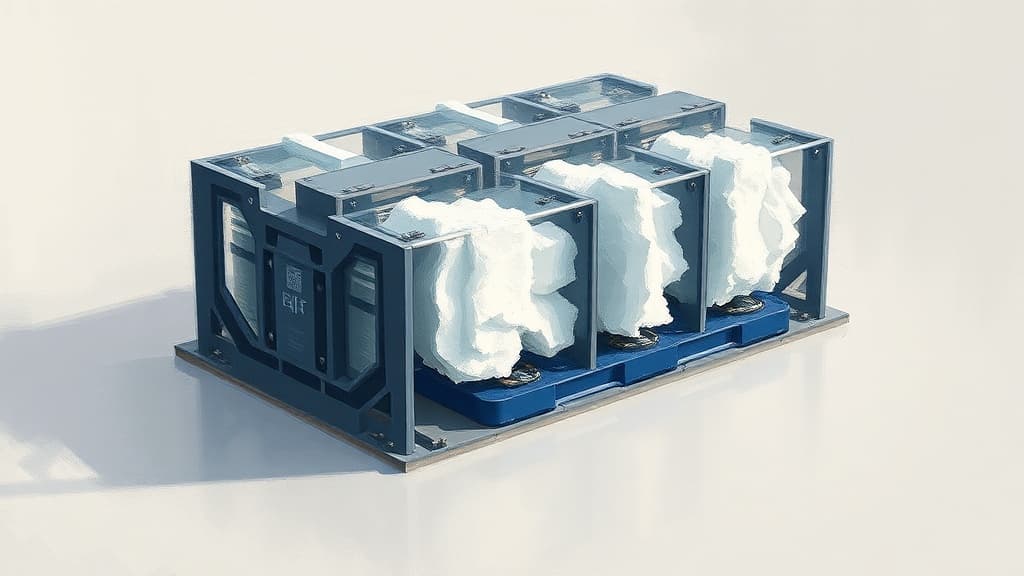
Researchers from Shanghai Jiao Tong University developed a sodium-sulfur battery prototype with an energy density of 2,021 Wh/kg, rivaling lithium-ion batteries. This battery uses common materials like salt and sulfur, offers room-temperature operation, and features a non-flammable electrolyte.
The design aims to reduce dependency on lithium, cobalt, and nickel, addressing environmental and geopolitical concerns tied to their extraction. The technology is positioned as a safer, decentralized alternative for energy storage, enabling greater energy independence and resilience against monopolistic resource control.




Comments