
Shipping Sector Faces Infrastructure Challenges for Effective Carbon Capture Implementation
The maritime industry must achieve a 20% GHG emissions reduction by 2030 per IMO guidelines, prompting the development of onboard carbon capture and storage (OCCS) technology. Despite its technical viability and recent implementations, such as on the ships Nordica and Sleipnir, infrastructure limitations hinder widespread adoption. Integration into a comprehensive carbon capture utilization and storage (CCUS) value chain is necessary. Regulatory frameworks are evolving but remain inconsistent, with full recognition by the IMO not expected until at least 2028.
 Theia Market Signal Identification - AI Assisted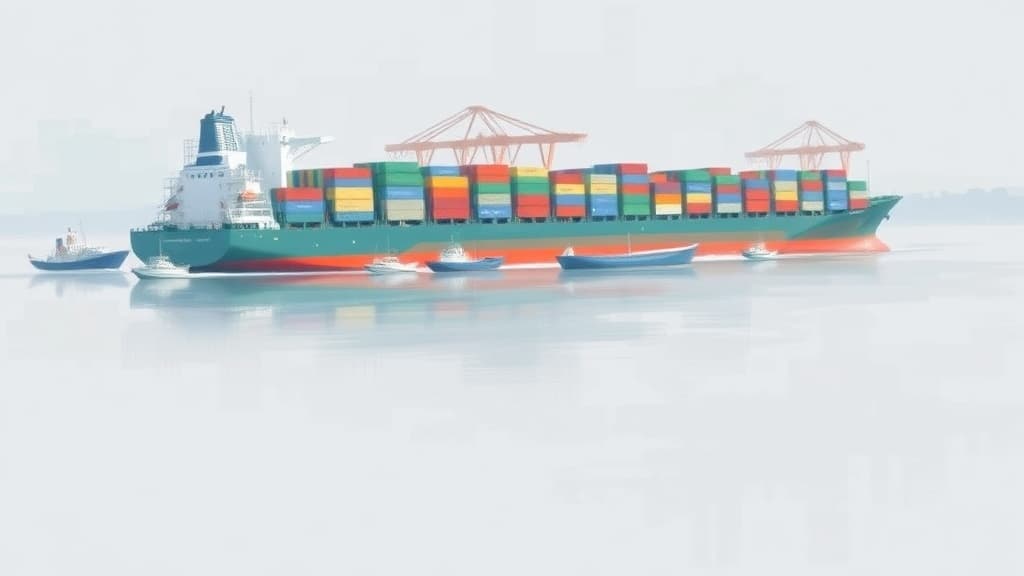
The shipping industry is required to reduce GHG emissions by 20% by 2030 under the IMO's 2023 GHG Strategy. Onboard carbon capture and storage (OCCS) technology is a viable solution but faces significant infrastructure challenges.
OCCS systems have been in use since the early 2020s, with installations on vessels like Nordica and Sleipnir. While 15 vessels were retrofitted with OCCS in 2025, the technology is not fully recognized by IMO, with regulatory support expected by 2028.
Effective integration into a carbon capture utilization and storage (CCUS) value chain is crucial, as shipping plays a key role in CO2 transport. Gaps in infrastructure and inconsistent regulations hinder progress, despite pilot projects like Northern Lights showcasing potential pathways.



Comments