
Solar Energy Enhancements in Borneo Address Rural Inequality
Solar installations have expanded in rural Borneo, yet 1.4 million Indonesians remain without electricity. The energy transition is hindered by government fossil fuel subsidies despite plans for broader electrification.
 Theia Market Signal Identification - AI Assisted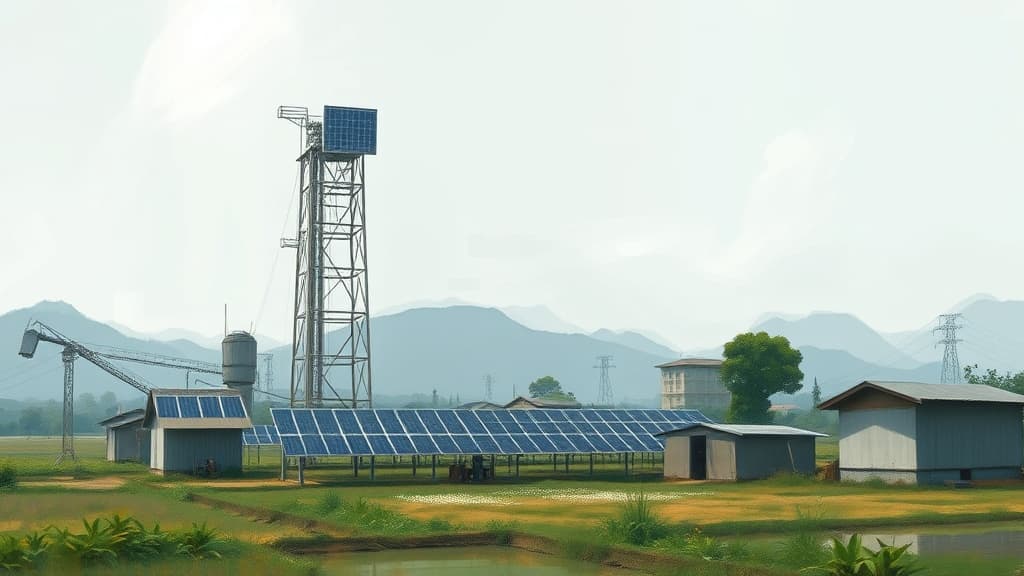
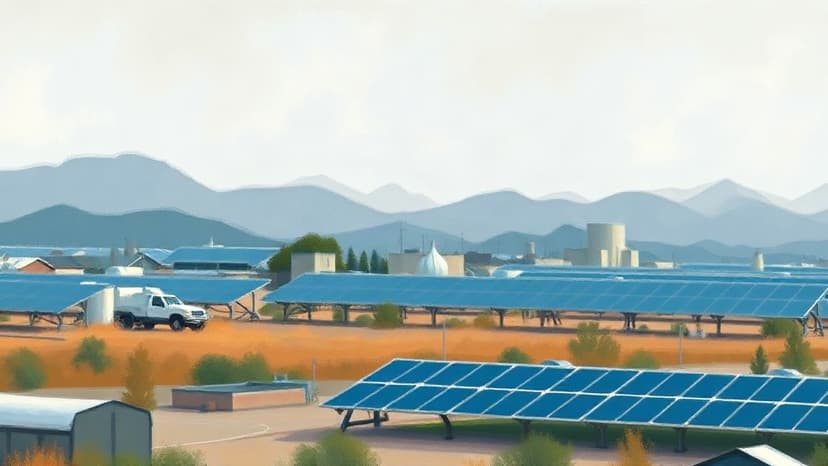
In Indonesia, the electrification rate grew from approximately 66% in 2010 to 99% in 2020, but 1.4 million people still lack access to electricity. The solar capacity increased almost threefold from 2018 to 2024, reaching 35 MW, yet solar accounted for less than 1% of total generation.
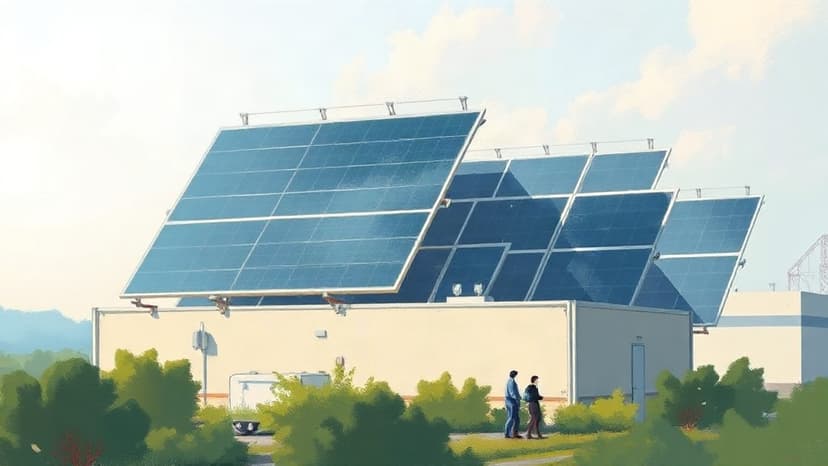
A report by Celios and Greenpeace indicates a 26.4% decline in villages reporting solar power use from 2021 to 2024. The Indonesia Terang program aims to electrify about 2,000 remote communities. In Muara Enggelam, solar capacity expanded from 30 kWp in 2015 to approximately 80 kWp, enabling new business opportunities despite ongoing challenges with maintenance and technician access. The shift to solar has improved local economic activities, particularly for women.

Comments