
South Korea Reevaluates $1.4 Billion Space Rocket for Reusability
South Korea's space launch vehicle project, valued at $1.4 billion, is under reassessment to integrate reusable technology. This shift aims to reduce costs and meet the growing demand for satellite launches and deep-space missions.
 Theia Market Signal Identification - AI Assisted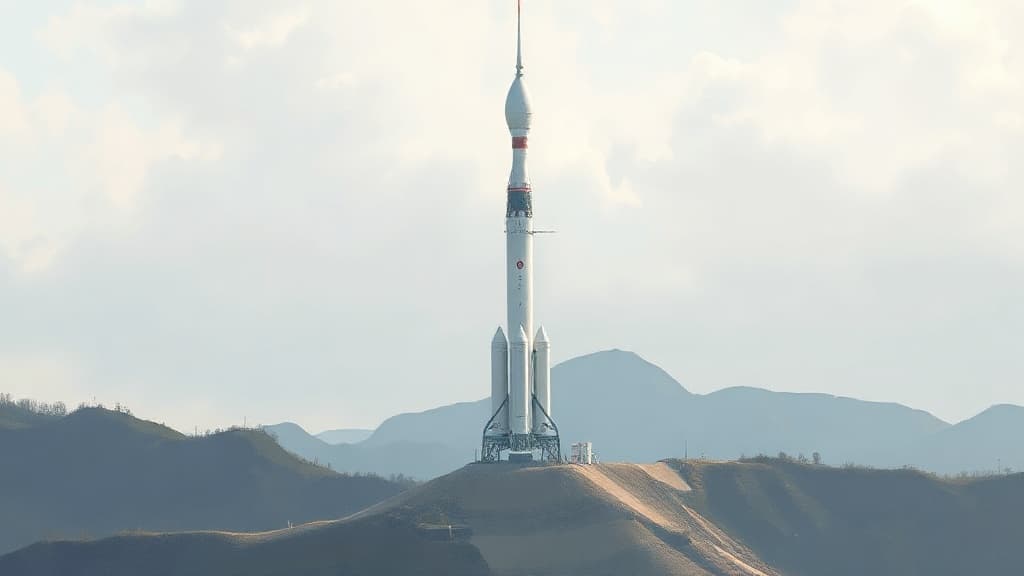
The Korea AeroSpace Administration (KASA) is revising its next-generation space launch vehicle project, initially designed to succeed the Nuri rocket, to incorporate reusability. This change may lead to a pause of up to one year for administrative and expert evaluations, resulting in a three-year delay in the development timeline, with completion still aimed for 2032.
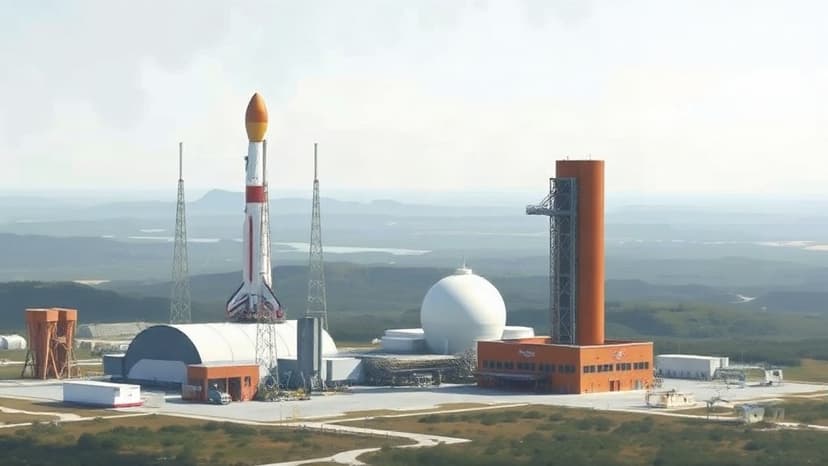
KARI will continue work on unaffected launch pad infrastructure. Intellectual property disputes with Hanwha Aerospace remain unresolved, impacting the project's future partnership structure. Legal considerations are being reviewed to mitigate conflicts, indicating potential shifts in project collaboration.
Comments