
South Korea to Cut Coal and LNG Share in Power Generation by 2038
South Korea plans to significantly reduce the share of coal and LNG in power generation from 60% to 20% by 2038, while increasing renewable energy sources from 9% to 33%. The government aims for a 40% reduction in industrial emissions by 2030, although this shift may lead to job losses and factory closures in the industrial sector. While the country has approved the Saeul-3 nuclear reactor, the pace of nuclear energy deployment may not match the decline of fossil fuels.
 Theia Market Signal Identification - AI Assisted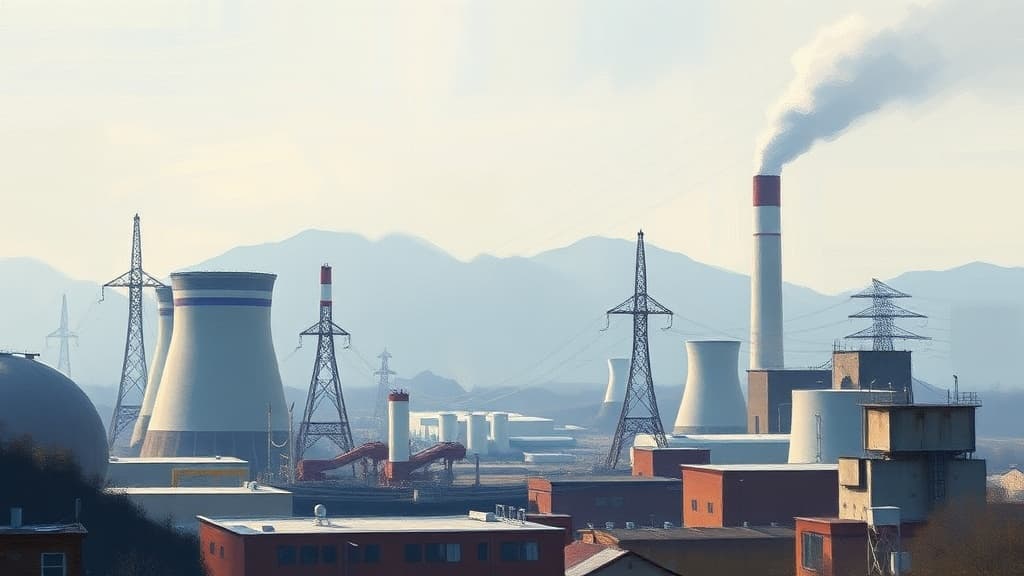
South Korea plans to reduce the combined share of coal and LNG in power generation from 60% to 20% by 2038, while increasing renewable sources from 9% to 33%. The government aims for a 40% reduction in industrial emissions by 2030, relying on hydrogen, wind, and solar technologies.
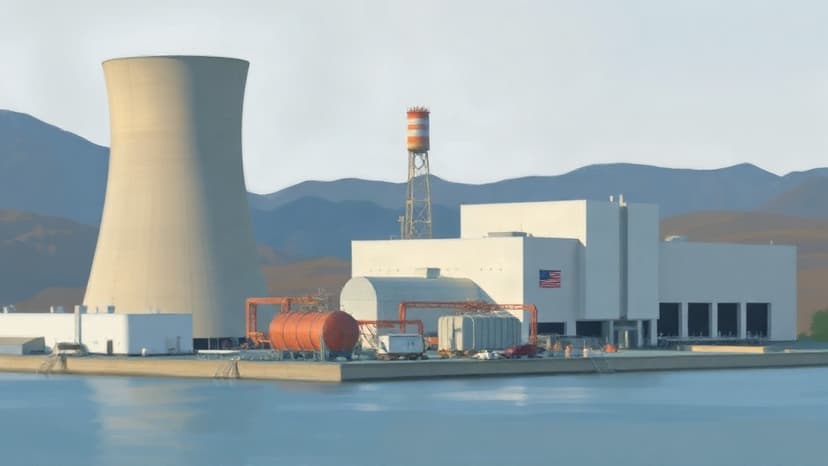
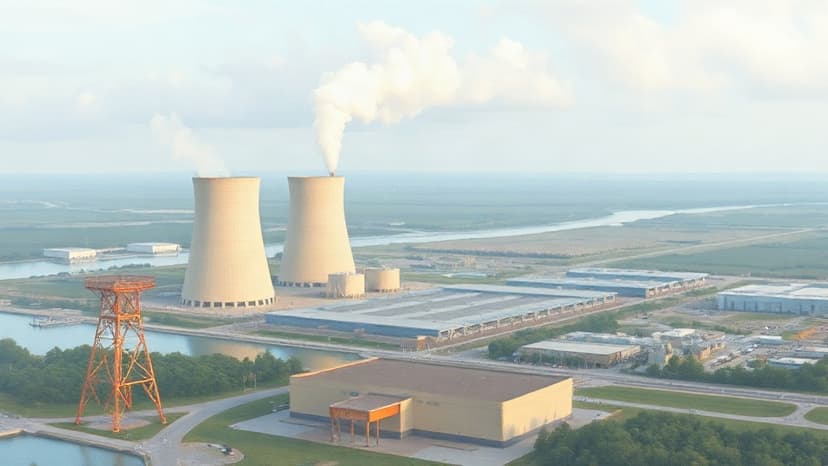
The industrial sector, which constitutes over 30% of GDP, may face job losses and factory closures due to these policies. The country has approved the Saeul-3 nuclear reactor, but nuclear energy deployment may not keep pace with the reduction in fossil fuels. Similar policies in Germany and the U.K. have resulted in deindustrialization.

Comments