
Space-Based Solar Power Could Become Economically Viable by 2040, Reducing Land Use Conflicts
Space-Based Solar Power (SBSP) has the potential to provide continuous, carbon-free electricity by 2040, addressing land competition issues on Earth. Studies indicate that small-scale SBSP systems could become economically competitive, especially when integrated with existing infrastructure like offshore wind farms in the UK. SBSP can significantly reduce Europe's reliance on land-based renewable energy and energy storage needs, while providing a 24/7 source of clean energy. Initial costs are high, but with proper political support, profitability may be achievable by 2040.
 Theia Market Signal Identification - AI Assisted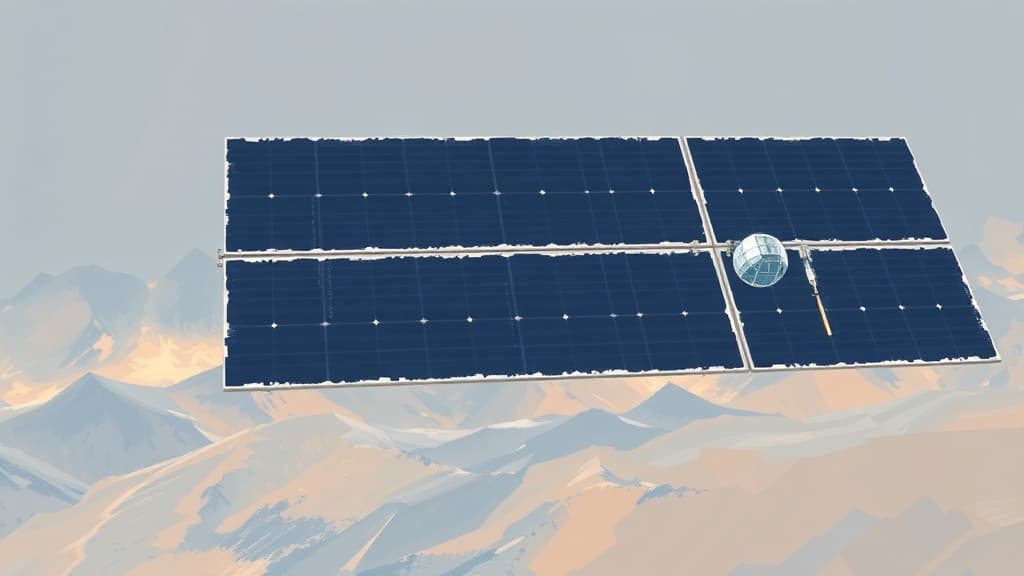
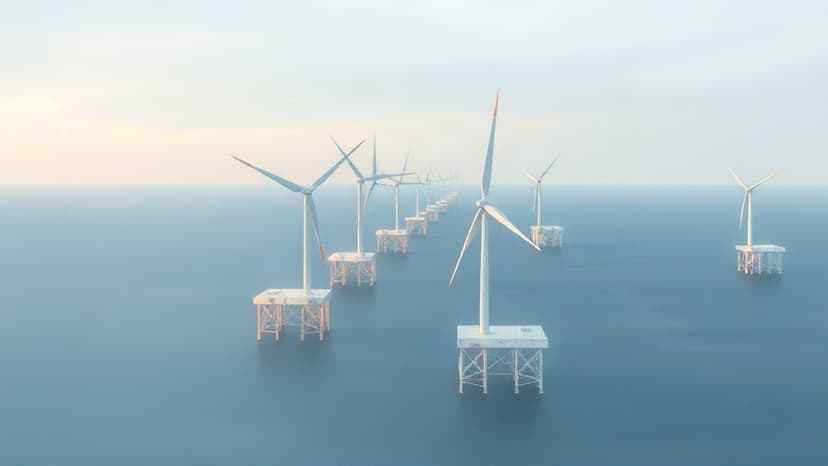
Space-Based Solar Power (SBSP) could become economically viable by 2040, providing continuous, carbon-free electricity without land competition on Earth. Research shows that integrating small-scale SBSP systems with existing infrastructure, such as UK offshore wind farms, could enhance their competitiveness.
SBSP can produce substantial energy on minimal surface area, potentially meeting up to 80% of Europe's renewable energy needs while lowering energy costs. Unlike traditional solar and wind, SBSP avoids land use conflicts and can operate 24/7, unaffected by weather.
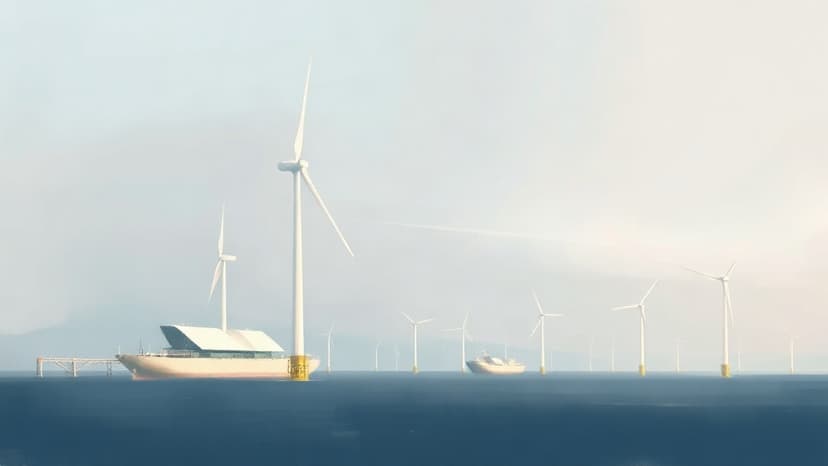
Initial costs are high, but with the right political backing, small-scale projects might achieve profitability by 2040. Receiver installations, known as rectennas, could utilize current power connections in offshore wind facilities, converting microwave signals from geostationary satellites into usable electricity.
Comments