
SpaceX Set for Resupply Launch to ISS with New Cygnus XL Spacecraft
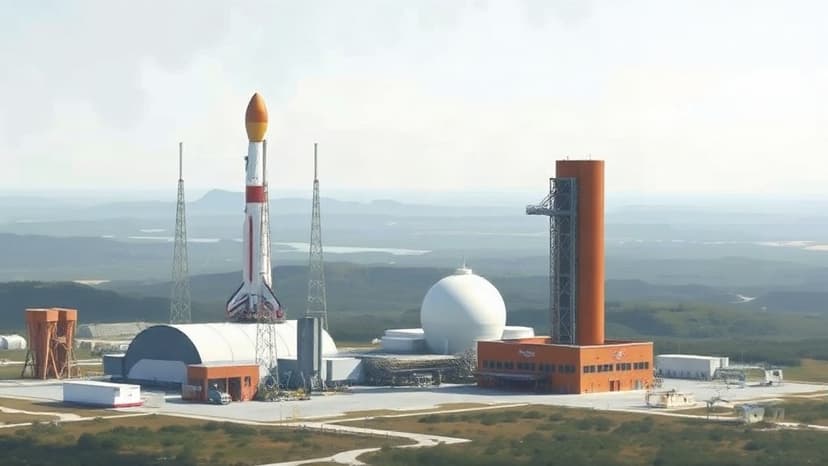
Tonight, a SpaceX Falcon 9 rocket is scheduled to launch from Cape Canaveral at 6:11 p.m., carrying a Northrop Grumman Cygnus spacecraft filled with 11,000 pounds of supplies and scientific experiments for the International Space Station. The mission, CRS-23, marks the first flight of the new Cygnus XL model. Following liftoff, the Falcon 9's booster will return to Cape Canaveral, producing a sonic boom heard throughout Brevard County. The spacecraft will also carry out experiments aimed at improving microbial control and cryogenic fluid storage for future space missions.
 Theia Market Signal Identification - AI Assisted
A significant milestone in commercial space operations is set to unfold this evening as SpaceX prepares to launch a Northrop Grumman Cygnus spacecraft from Cape Canaveral at 6:11 p.m. The mission, designated CRS-23, will deliver an impressive 11,000 pounds of supplies and scientific equipment to the International Space Station (ISS). As the Falcon 9 rocket ascends into the sky, it must adhere to a precise launch window; any delay could mean postponing the mission for the day.
The trajectory of the Falcon 9 will take it northeast, but the excitement doesn’t stop there. Just under eight minutes post-launch, the rocket's first-stage booster will make a dramatic return, landing at Cape Canaveral Landing Zone 2. This return will be accompanied by a sonic boom, ringing out across Brevard County, signaling the successful re-entry of the booster.
The cargo aboard the Cygnus spacecraft is not just for sustenance; it also includes experiments that could pave the way for advancements in space exploration. Among these is a study examining the efficiency of germicidal ultraviolet light to inhibit microbial growth.
This innovation aims to protect astronaut health and extend the lifespan of onboard equipment. The findings may lead to the development of chemical-free disinfectant technologies applicable both in space and here on Earth.
In addition to the microbial study, the mission will test methods for storing cryogenic fluids such as liquid xenon or neon, which are essential for long-duration missions, including potential journeys to Mars. The current practices for handling these gases are inadequate for extended missions, and improvements in storage techniques are critical for future exploration efforts.
Notably, the Cygnus XL spacecraft represents a leap forward in cargo capacity, being 1.6 meters longer than its predecessors and capable of carrying an additional 2,600 pounds of cargo. Unlike SpaceX’s Dragon, which autonomously docks with the ISS, the Cygnus requires assistance. NASA astronaut Jonny Kim will employ the robotic Canadarm to capture and dock the spacecraft, reinforcing the collaborative nature of space missions.
As the countdown ticks away, all eyes will be on Cape Canaveral, where yet another chapter in the ongoing saga of space exploration is about to be written.


Comments