
Taiwan Seeks Compensation from US and Lockheed Martin Over F-16V Delays; HAL Expands Tejas Production Amid Engine Supply Issues
Taiwan is pursuing compensation from the US and Lockheed Martin due to significant delays in F-16V Block 70 deliveries. Concurrently, HAL reports improvements in Tejas Mk1A production as it navigates engine supply challenges.
 Theia Market Signal Identification - AI Assisted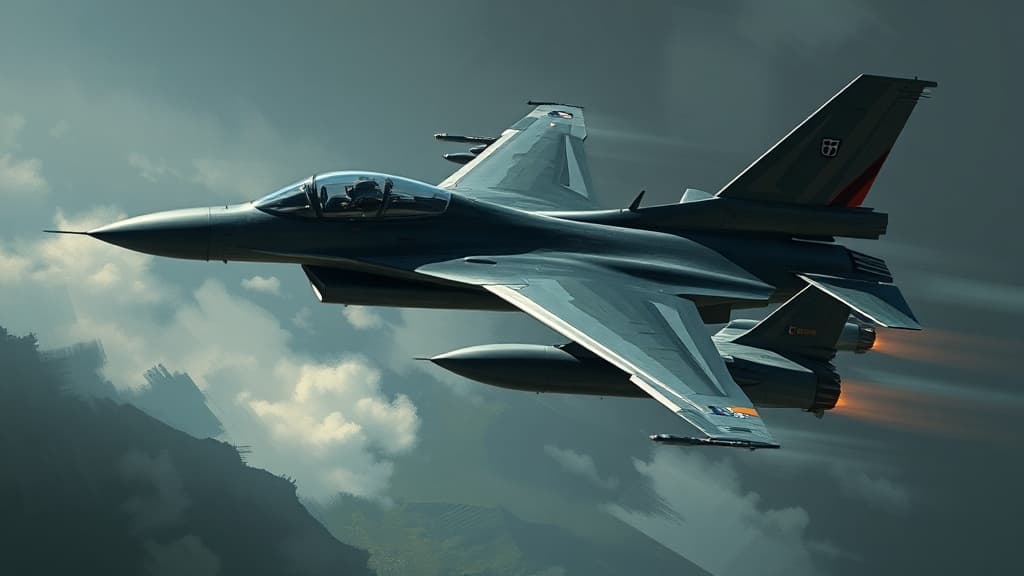
Taiwan's Ministry of National Defense (MND) is seeking compensation from the US and Lockheed Martin over delays in the delivery of F-16V Block 70 fighter jets, originally planned under an $8.2 billion Foreign Military Sales (FMS) agreement. Only two jets have been delivered, both still in the US for testing.
The expected arrival of the first operational aircraft is now September 2026, significantly later than promised. Taiwan's defense officials indicated that any compensation would focus on improving military capabilities rather than cash payments.
In India, Hindustan Aeronautics Limited (HAL) is addressing supply chain disruptions impacting Tejas Mk1A production, with engine availability improving. HAL plans to expand its production capacity to 30 aircraft annually by 2027-28 and is also preparing to produce 12 additional Su-30MKI fighters.
The company is enhancing its manufacturing ecosystem in collaboration with private industry to support large-scale production. HAL is also investing in unmanned systems and modernizing its facilities with advanced technologies.

Comments