
Taiwan's Nuclear Energy Future: Challenges in Restarting Reactors Amid Supply Chain and Regulatory Issues
Taiwan's nuclear energy strategy hinges on reactor restart decisions influenced by referendums and regulatory approvals, while external factors like uranium supply chains and foreign relations complicate operational viability. The nation faces significant hurdles in managing its nuclear fuel cycle and dependencies, which could impact energy security and sustainability.
 Theia Market Signal Identification - AI Assisted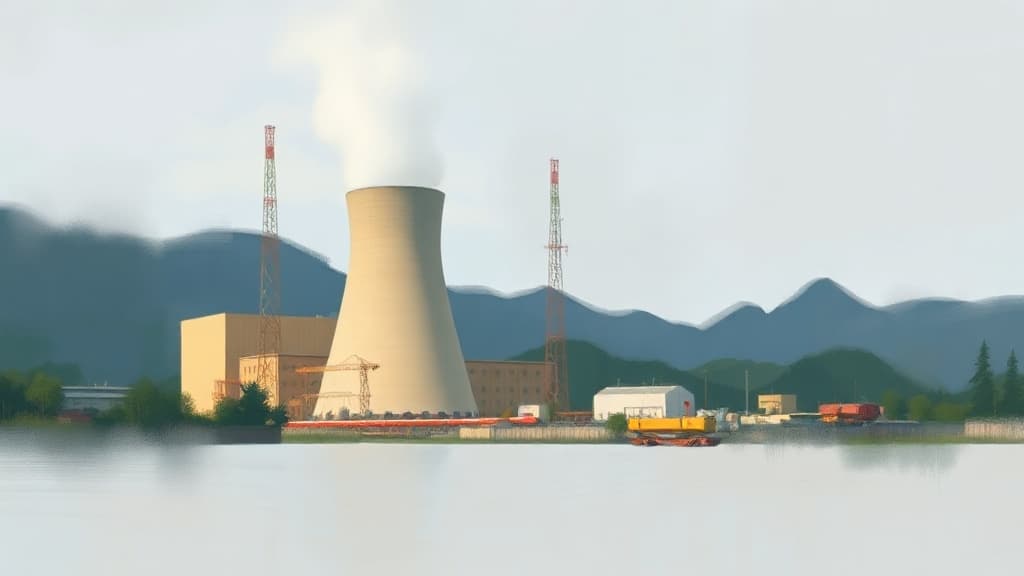
Taiwan Power Company (Taipower) is facing substantial challenges in restarting its nuclear reactors, with safety inspections expected to take 18 to 24 months following its submission of a restart plan for the Ma-anshan plant on March 27. The country relies on external suppliers for all aspects of its nuclear fuel cycle and lacks a domestic uranium production capability, heightening its energy security risks.
Over 96% of Taiwan's energy is imported, with natural gas generating 42.4% of power in 2024 and nuclear at 4.2%. The Ministry of Economic Affairs projects a 13% increase in electricity demand by 2030, intensifying the urgency to resolve energy sourcing issues.
Taiwan’s energy strategy is constrained by its reliance on foreign uranium suppliers, particularly as geopolitical tensions affect market stability. The logistical complexities of restarting long-idled reactors and the absence of a domestic waste disposal solution further complicate the situation.
Comments