
Texas $33B Transmission Expansion Faces Criticism and Regulatory Scrutiny
Texas plans a $33 billion transmission expansion under ERCOT's STEP, raising concerns among ratepayers about costs and benefits. Critics argue it prioritizes utility profits over consumer savings and land rights, with potential stranded assets from aging renewable energy sources.
 Theia Market Signal Identification - AI Assisted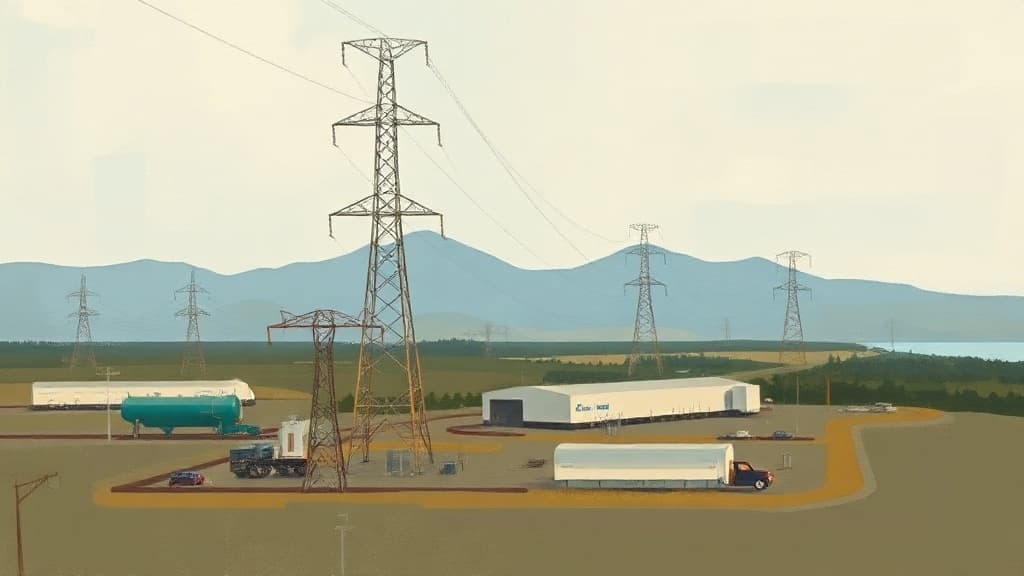
The Electric Reliability Council of Texas (ERCOT) is moving forward with a $33 billion high-voltage transmission expansion, the Strategic Transmission Expansion Plan (STEP). This project, which includes approximately 2,468 miles of new 765-kV lines, is intended to support growing energy demands in the Permian Basin.
However, concerns have been raised regarding the financial burden on ratepayers, with estimates suggesting costs could exceed $100 billion over the project's lifetime. Critics highlight that the plan may primarily enable intermittent wind and solar power, which could lead to stranded assets as older generation capacity retires.
The plan's expedited approval process has faced backlash from landowners and lawmakers, urging a pause for thorough evaluation before the 2027 legislative session. Further scrutiny may be necessary to ensure that the costs are equitably distributed and that local energy generation is adequately considered.




Comments