
Thyssenkrupp to Replace Traditional Steel Production with Hydrogen-based DRI in Germany
Thyssenkrupp Steel is shifting to hydrogen-based direct reduced iron (DRI) technology as Germany's energy-intensive industries grapple with high energy costs and the need for CO₂ neutrality by 2045. With over 70% of these sectors investing abroad, the chemical industry reports historic lows in production, while the cement sector faces significant CO₂ challenges. The VDI calls for increased R&D investment to safeguard the future of Germany's industrial landscape.
 Theia Market Signal Identification - AI Assisted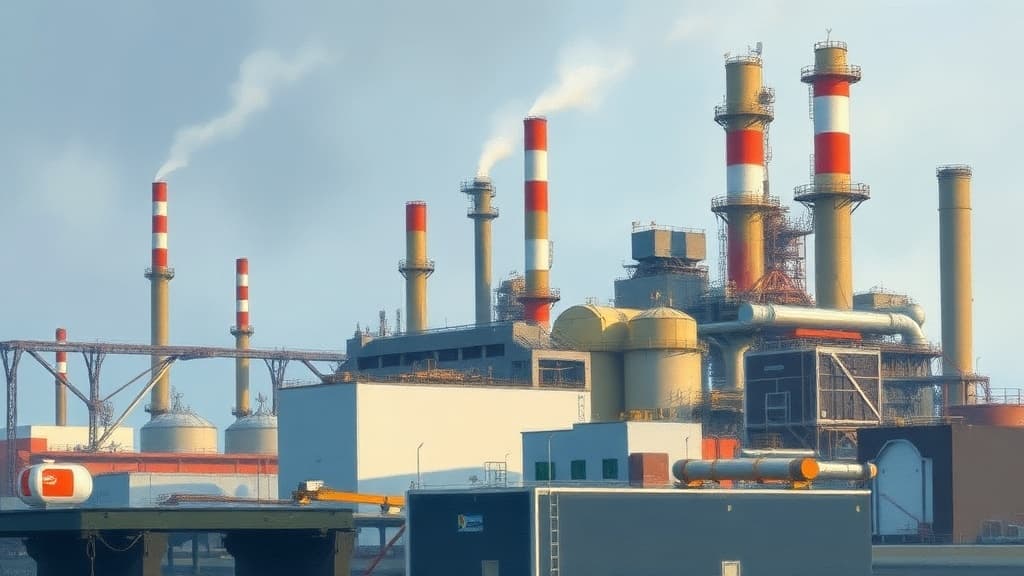
Germany's energy-intensive industries face a crisis, with over 70% of these businesses investing outside the country. The six most energy-intensive sectors consumed 2738 Petajoule in 2024, accounting for 81.9% of industrial energy needs.
Key sectors include chemicals, steel, and refining, which are struggling due to high energy costs and the transition to CO₂ neutrality by 2045. Companies must innovate or relocate to survive. Thyssenkrupp Steel is transitioning to hydrogen-based DRI technology.
The chemical industry, the largest energy consumer at 27.9%, reports historical lows in production and demand. The cement sector faces significant CO₂ challenges, with high-energy costs impacting profitability. The VDI emphasizes the need for increased investment in R&D to secure the future of Germany's industrial landscape.
Comments