
Trinity Test: The Inception of the Nuclear Era on July 16, 1945
The Trinity test on July 16, 1945, marked the first nuclear explosion, leading to the atomic bombings of Japan and reshaping global military strategy and international relations. Its legacy includes a nuclear arms race and ongoing debates about nuclear deterrence and proliferation risks.
 Theia Market Signal Identification - AI Assisted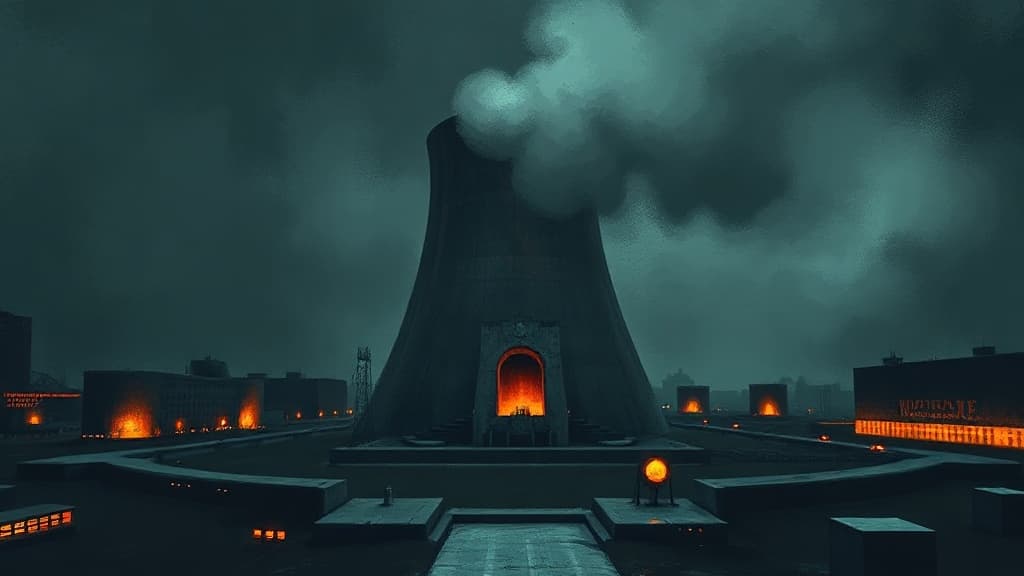
On July 16, 1945, the United States conducted the Trinity test, detonating the first nuclear weapon in New Mexico, with an explosive yield of approximately 21 kilotons of TNT. This event preceded the atomic bombings of Hiroshima and Nagasaki, which resulted in over 200,000 deaths by the end of 1945 and contributed to Japan's surrender, thus concluding World War II.
The Manhattan Project, initiated in 1942, was a collaborative effort involving scientists and military personnel from the U.S., Britain, and Canada aimed at developing atomic weapons in response to fears that Nazi Germany might achieve this capability first. The use of nuclear weapons subsequently initiated a global arms race, particularly between the U.S. and the Soviet Union, and raised concerns over proliferation and potential misuse by state and non-state actors. The Trinity test's legacy continues to provoke discussions about nuclear deterrence and global security.



Comments