
Trump's Energy Policy Aims for U.S. Oil Production Dominance Amid Mixed Results
President Trump's energy policy has led the U.S. to achieve record oil production levels, reaching 13.8 million barrels per day, while simultaneously rolling back renewable energy initiatives and climate regulations. Despite lower gasoline prices compared to last year, analysts suggest market forces are the primary influence, and electricity prices have risen by 7.4%, complicating Trump's efforts to meet energy cost commitments. Proposals to expand drilling in various states face public opposition and waning interest from oil companies.
 Theia Market Signal Identification - AI Assisted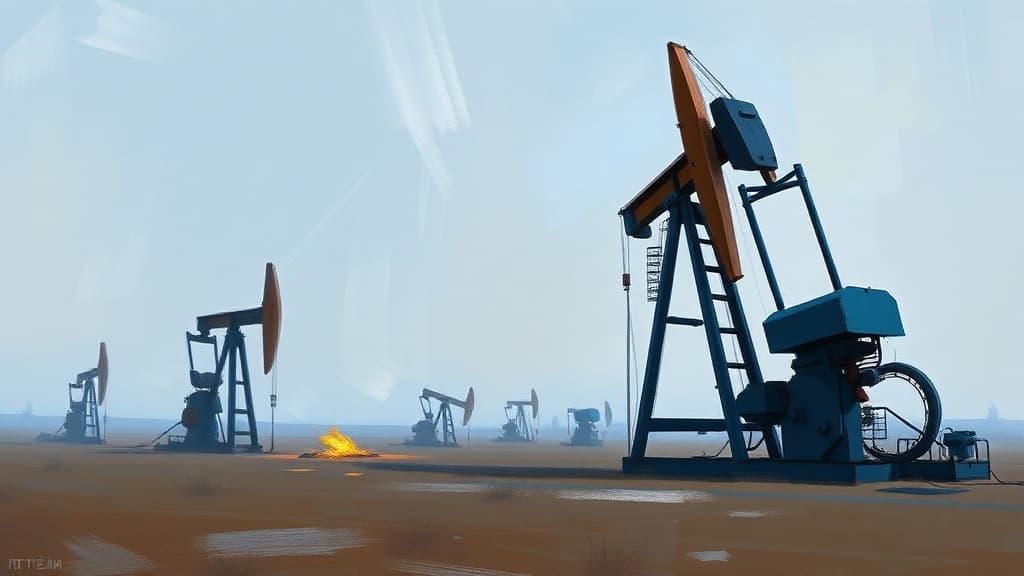
The U.S. is on track to produce more oil this year than any country in history, as President Donald Trump implements strong support for fossil fuels while scaling back renewable energy initiatives. In the first ten months of his term, Trump repealed numerous climate regulations, halted clean energy projects, approved new LNG terminals, and proposed opening additional offshore drilling areas.
Oil production reached a record 13.8 million barrels per day in September, driven by market conditions and industry productivity rather than direct government actions. Natural gas production also hit record levels at 114 billion cubic feet per day as of November 30.
While prices for gasoline have not fallen below $2 per gallon as promised, they are currently lower than a year ago. However, analysts attribute price trends more to global market forces than Trump's policies.
The administration's proposals to expand drilling in California, Florida, and Alaska remain uncertain amid public opposition and declining interest from oil companies. Electricity prices have risen instead of falling, with a 7.4% increase in September, presenting challenges for Trump as he seeks to maintain energy cost commitments.


Comments