
Ukraine Faces Military Challenges as Russia Adapts Drone Warfare Tactics
Ukraine's military advancements in unmanned systems, such as FPV drones, are increasingly challenged by Russia's adaptive drone warfare tactics, which have led to a shift in equipment losses favoring Russia by 2025. Despite possessing F-16 aircraft, Ukraine struggles with a shortage of Western-supplied munitions and faces manpower issues, making it difficult to maintain effective ground control. The ongoing development of mid-range strike drones is critical for Ukraine, as failure to enhance these capabilities could leave its military operations reactive to Russian strategies.
 Theia Market Signal Identification - AI Assisted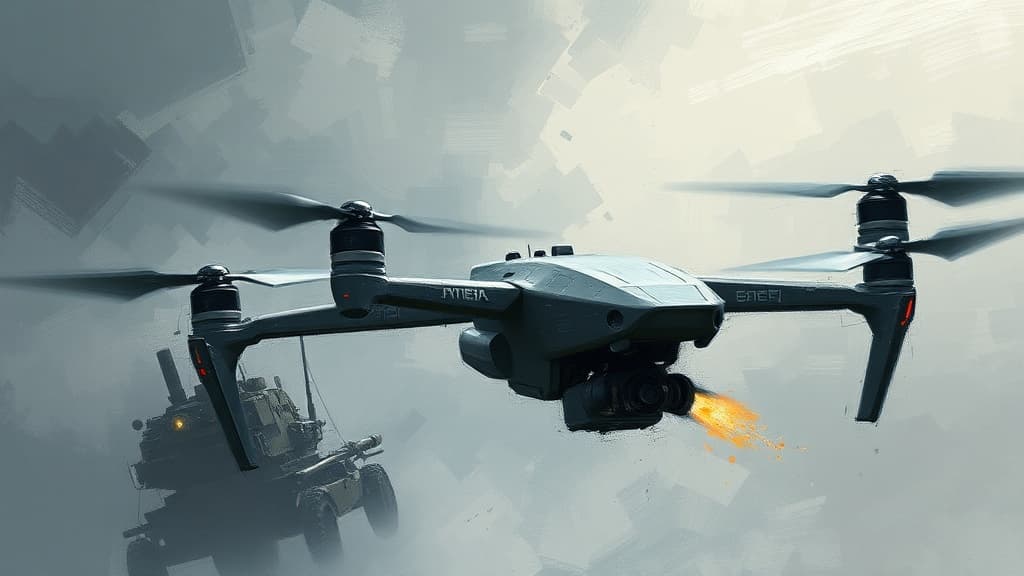
Ukraine has advanced its military technology, particularly with unmanned systems like FPV drones, which have effectively defended against Russian offensives. However, these innovations are proving insufficient as Russia adapts its strategies, relocating critical assets and improving electronic warfare defenses.
By 2025, Ukraine's equipment losses reportedly began to exceed Russia's, as Russian drone strikes increasingly targeted Ukrainian logistics and rear infrastructure. Ukrainian forces face manpower shortages and challenges in maintaining effective ground control after drone attacks.
Despite having F-16 aircraft, Ukraine lacks sufficient Western-supplied bombs to maximize their potential. The Molniya-2 drone, used by Russia for strikes at distances up to 200km, exemplifies the growing operational gap.
Ukraine is focusing on developing mid-range strike drones, but challenges remain, particularly in sustaining electronic warfare coverage and countering Russian drone production. Without addressing these mid-range strike capabilities, Ukraine risks becoming reactive in its military operations.

Comments