
Understanding Methane's Role in Climate Change: Sources, Impacts, and Mitigation Strategies
Methane (CH4) is a potent greenhouse gas, with a global warming potential 25 to 84 times greater than carbon dioxide (CO2) over different periods. Despite its shorter atmospheric lifespan of about 12 years, its impact on climate change is significant. As methane often takes a backseat to CO2 in climate discussions, urgent action to reduce methane emissions is crucial for achieving immediate climate benefits. This article explores the importance of addressing methane emissions in the fight against climate change.
 Theia Market Signal Identification - AI Assisted
Methane (CH4) is increasingly recognized as a critical greenhouse gas that significantly contributes to climate change. While often overshadowed by carbon dioxide (CO2), methane demonstrates a global warming potential estimated to be 25 to 84 times more effective than CO2 over varying timeframes. Its atmospheric lifespan, approximately 12 years, is considerably shorter than CO2's centuries-long persistence, making rapid reductions in methane emissions vital for immediate climate benefits.
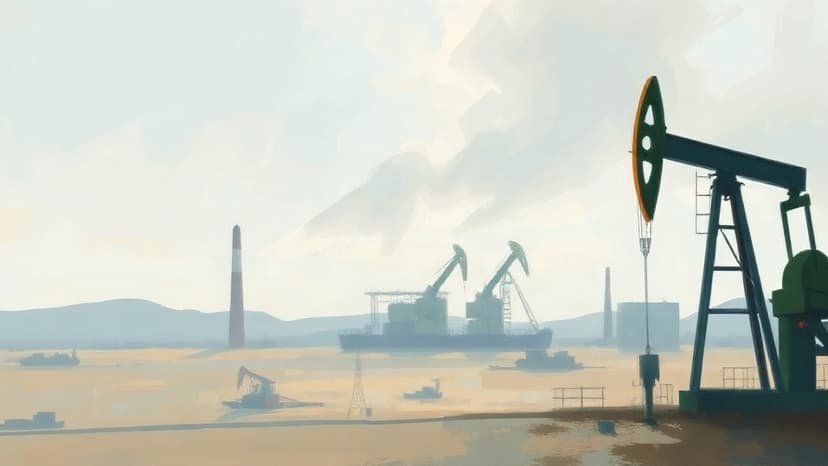
Key sources of methane include livestock farming, particularly through enteric fermentation in ruminants, as well as anaerobic decomposition in landfills and rice paddies. Fossil fuel extraction and transportation further exacerbate methane emissions through fugitive leaks. According to climate models, increased methane concentrations are driving accelerated global warming, prompting urgent calls for action.
Mitigation strategies are essential for addressing methane emissions effectively. Improved livestock management, innovative agricultural practices, and advanced waste management techniquesásuch as anaerobic digestionácan significantly reduce emissions while harnessing methane as a renewable energy source. Additionally, monitoring and reporting initiatives, including the Global Methane Initiative, promote international cooperation and accountability in emission reductions.
Public awareness and education play crucial roles in fostering individual responsibility toward methane management. Consumer choices, including dietary adjustments and waste disposal practices, can collectively lead to substantial reductions in emissions.
In conclusion, methane's unique characteristics necessitate a focused approach within climate discourse. By recognizing its significant impact and implementing targeted strategies, stakeholdersáfrom governments to individualsácan contribute to a sustainable future while addressing the pressing challenges of climate change.



Comments