
University of Birmingham Launches Rare Earth Magnet Recycling Facility in UK
The University of Birmingham has opened a rare earth magnet recycling facility in the West Midlands, utilizing advanced Hydrogen Processing of Magnet Scrap (HPMS) technology to recover valuable materials from end-of-life products. With a capacity of 100 tonnes annually, this initiative marks the return of sintered rare earth magnet production to the UK after 25 years and supports the government's 'Vision 2035: Critical Minerals Strategy' aimed at enhancing domestic production and recycling of critical minerals. The project received a £4.5 million investment from Innovate UK, contributing to the UK's net zero carbon goals.
 Theia Market Signal Identification - AI Assisted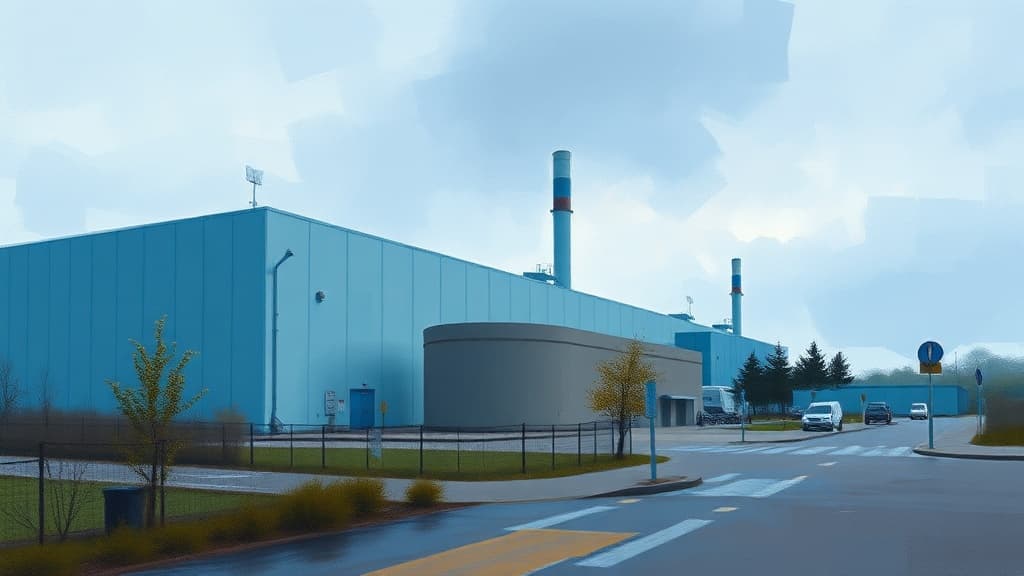
The University of Birmingham has launched a new facility in the West Midlands for recycling rare earth magnets, aimed at reducing the UK's reliance on imported rare earth metals. The facility utilizes Hydrogen Processing of Magnet Scrap (HPMS) technology, which efficiently extracts rare earth magnets from end-of-life products without full disassembly.
It can recover over 400kg of rare earth alloy per batch, with an annual capacity of 100 tonnes on a single shift. This marks the reintroduction of sintered rare earth magnet production to the UK after 25 years.
The facility is supported by a £4.5 million investment from Innovate UK and contributes to the UK's net zero carbon goals. The initiative aligns with the UK Government's 'Vision 2035: Critical Minerals Strategy,' which aims for 10% domestic production and 20% recycling of critical minerals by 2035.




Comments