
University of Queensland Engineers Develop Long-Lasting Sodium Battery Prototype
Engineers at the University of Queensland have developed a sodium battery prototype that has operated for over 5,000 hours in laboratory conditions, utilizing a solid polymer electrolyte to enhance safety and heat resistance. This technology, which uses affordable sodium and avoids cobalt and nickel, aims to create large-scale energy storage systems to stabilize solar and wind energy production. Researchers are now focused on optimizing the battery for ambient temperatures, potentially transforming renewable energy storage solutions.
 Theia Market Signal Identification - AI Assisted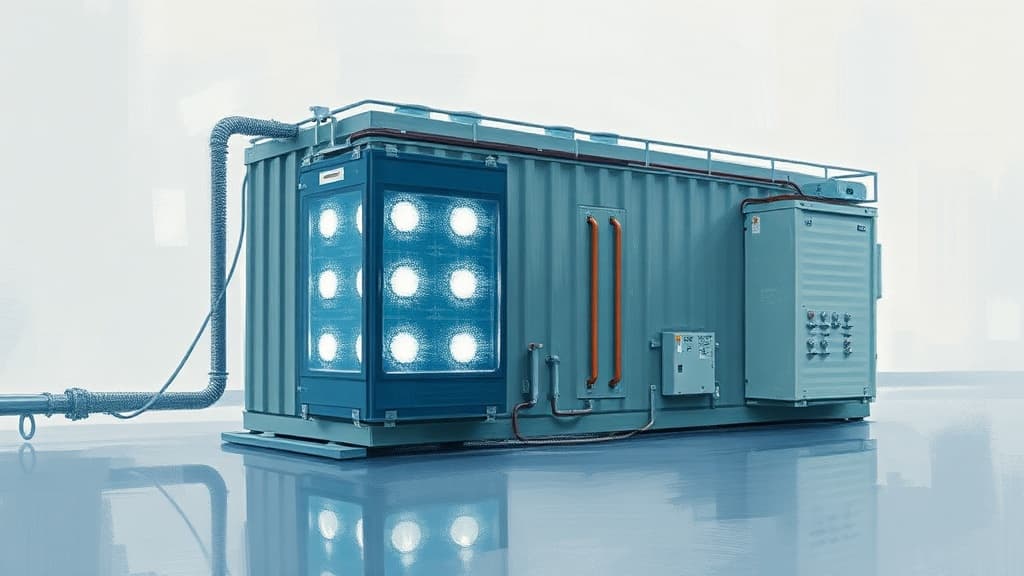
Engineers from the University of Queensland in Australia have developed a sodium battery prototype that operated for over 5000 hours in laboratory conditions. This advancement replaces the traditional flammable liquid electrolyte with a solid polymer material, enhancing safety and heat resistance.
The technology utilizes sodium, a more affordable alternative to lithium, and is free from cobalt or nickel, reducing production costs and easing pressure on raw material markets. The primary goal is to create large-scale energy storage systems essential for stabilizing solar and wind energy production variability. Researchers are now working to adapt the battery for effective performance at ambient temperatures, with potential to transform the global energy landscape by providing a safe, sustainable, and accessible renewable energy storage solution.




Comments