
US and China Compete in Space-Based AI Data Center Development
The U.S. and China are in a race to develop space-based data centers, with companies like SpaceX and Blue Origin at the forefront, aiming to utilize solar energy and vacuum cooling for artificial intelligence demands. Notably, startup Starcloud has successfully trained a large language model in space, while projections suggest that U.S. data center power needs could double by 2030, highlighting the potential for significant energy cost reductions through orbital solutions. Despite challenges such as radiation hardening and low-latency data transfer, advancements in this sector could transform the landscape of data centers and promote sustainable computing.
 Theia Market Signal Identification - AI Assisted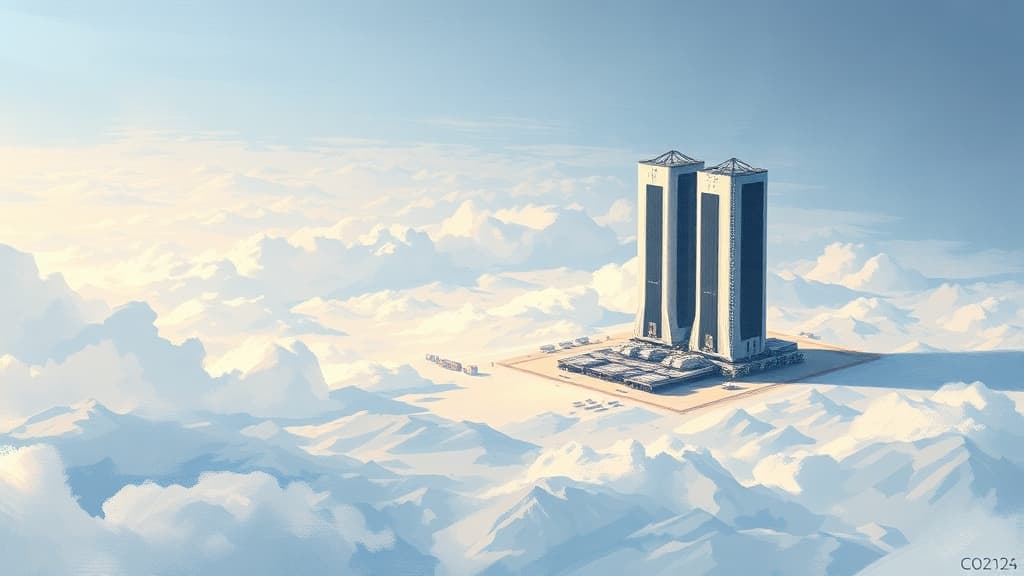
The U.S. and China are competing to establish space-based data centers, with companies like SpaceX and Blue Origin leading the charge. These data centers aim to leverage solar energy and vacuum cooling to meet the growing demands of artificial intelligence.
SpaceX plans to enhance its Starlink satellites for AI computing, while Blue Origin is developing dedicated data center modules. Starcloud, a startup backed by Nvidia, has achieved a milestone by training a large language model in space aboard its Starcloud-1 satellite.
Projections indicate U.S. data center power demands could double to 35 gigawatts by 2030, with space-based solutions potentially reducing energy costs significantly. Challenges include radiation hardening and low-latency data transfer, but successful orbital operations could redefine the data center landscape. Venture funding is increasing, and by 2030, orbital capacity may reach impressive levels, fostering a shift towards sustainable computing.

Comments