
U.S. Intensifies UFLPA Enforcement on Lithium-Ion and Energy Storage Imports Amid Rising Scrutiny
U.S. Customs and Border Protection has ramped up enforcement of the Uyghur Forced Labor Prevention Act, reviewing over 18,000 shipments valued at approximately $3.81 billion and detaining about 7,325 shipments in fiscal year 2025, with only 6.5% released. The Forced Labor Enforcement Task Force has identified lithium as a high-priority sector due to labor concerns in China's Xinjiang region, leading to increased scrutiny of electronics and automotive parts. Additionally, the Department of Labor has flagged potential child labor risks associated with cobalt used in lithium-ion batteries sourced from the Democratic Republic of the Congo.
 Theia Market Signal Identification - AI Assisted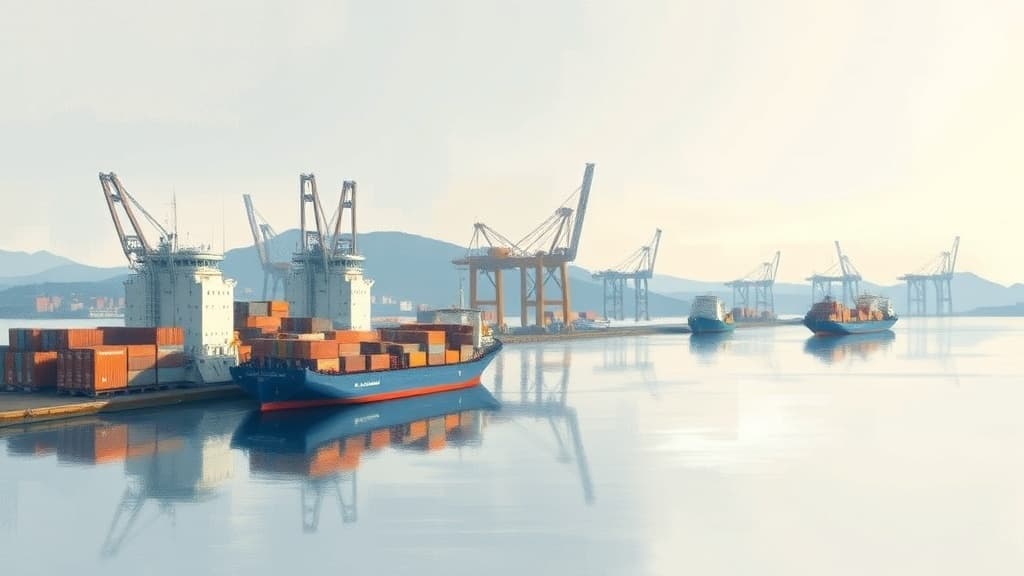
U.S. Customs and Border Protection (CBP) has intensified enforcement of the Uyghur Forced Labor Prevention Act (UFLPA) since June 2022, reviewing over 18,000 shipments valued at approximately $3.81 billion by early 2026.
In fiscal year 2025, CBP detained about 7,325 shipments for UFLPA review, with only 6.5% released into U.S. commerce. The August 2025 update from the Forced Labor Enforcement Task Force (FLETF) designated lithium as a high-priority sector due to concerns over labor practices in China's Xinjiang Uyghur Autonomous Region (XUAR).
This designation has led to increased detentions of electronics, automotive, and aerospace parts. The U.S. Department of Labor reported potential child labor risks in cobalt used in lithium-ion batteries, primarily sourced from the Democratic Republic of the Congo (DRC). The enforcement strategy emphasizes the need for detailed supply chain documentation to address forced labor risks, highlighting the complexities of compliance for importers in the lithium and battery sectors.


Comments