
U.S. Legislation Aims to Enhance Cybersecurity for Utilities and Energy Infrastructure
New U.S. legislation aims to enhance cybersecurity for pipelines and liquefied natural gas facilities, led by Rep. Randy Weber, which includes improved information sharing and the development of voluntary cybersecurity tools. Additionally, the Rural and Municipal Utility Cybersecurity Act, introduced by Rep. Mariannette Miller-Meeks, proposes a $250 million grant program for smaller utilities, while another measure sponsored by Rep. Bob Latta seeks to update federal energy security planning and extend program authorization through 2030.
 Theia Market Signal Identification - AI Assisted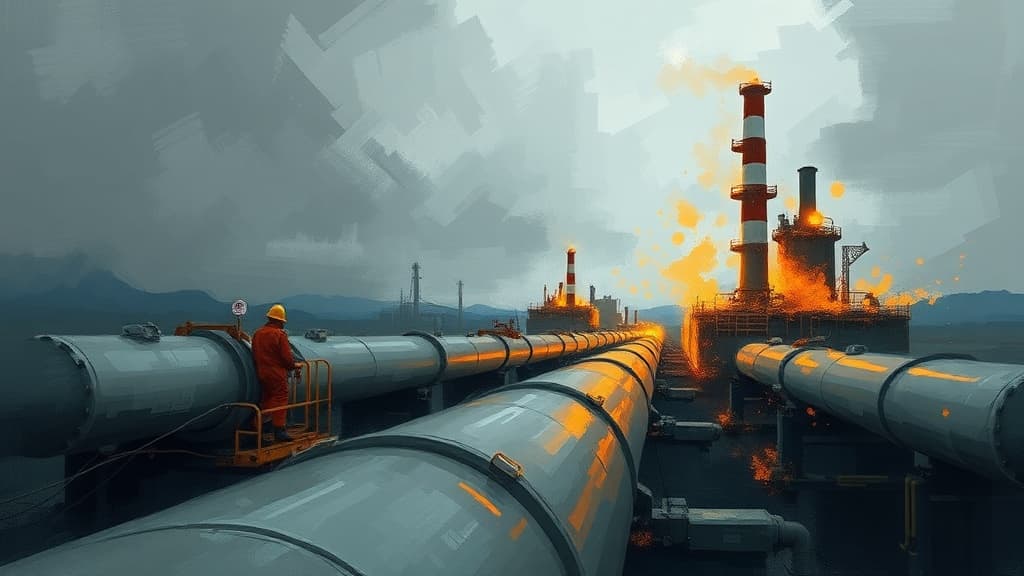
New legislation seeks to strengthen the cybersecurity and physical security of U.S. pipelines and liquefied natural gas facilities. Led by Rep. Randy Weber, the bill directs the Energy Department to enhance information sharing and coordination across the sector, focusing on resilience against cyber incidents.
It includes development of voluntary cybersecurity tools and workforce training. Additionally, Rep. Mariannette Miller-Meeks introduced the Rural and Municipal Utility Cybersecurity Act, which would create a grant program to bolster defenses at smaller utilities, authorizing $250 million from 2026 to 2030.
Sponsored by Rep. Bob Latta, another measure aims to update federal energy security planning by addressing risks to local electric distribution systems and requires state plans to more thoroughly assess threats, while extending program authorization through 2030.



Comments