
U.S. Military Strike on Narcoterrorist Vessel Raises War Crime Allegations
A U.S. military operation on September 2 targeting a narcoterrorist vessel in the Caribbean resulted in 11 deaths and has sparked allegations of war crimes due to the use of a civilian-disguised aircraft. Legal experts have raised concerns about the legality of the operation, particularly regarding the tactics employed, while the Pentagon defends its actions as compliant with international law. The incident has prompted calls for accountability from Congress amid ongoing debates about the use of deceptive military strategies.
 Theia Market Signal Identification - AI Assisted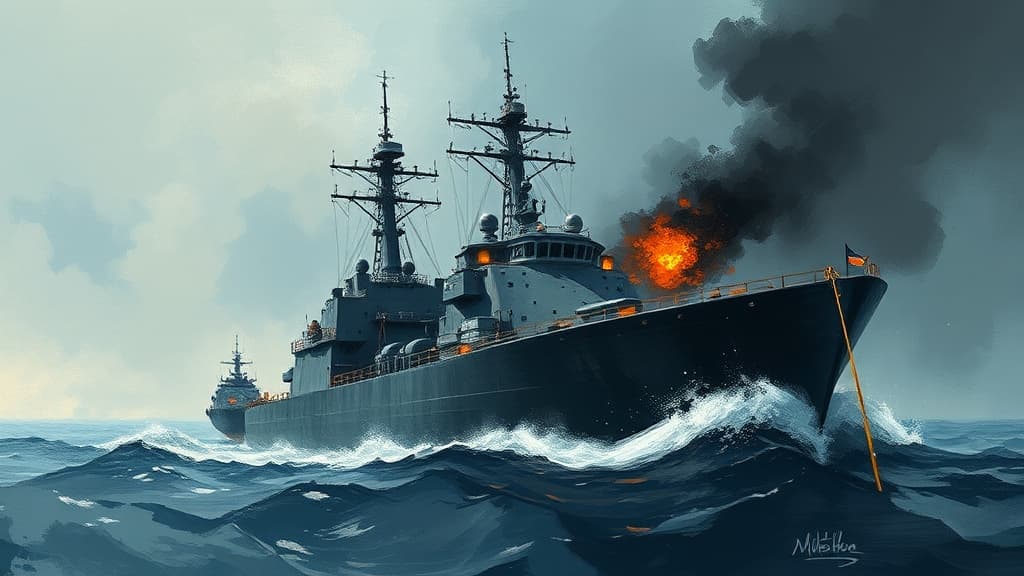
On September 2, a U.S. military operation targeting a narcoterrorist vessel in the Caribbean resulted in 11 fatalities. Defense Secretary Pete Hegseth authorized the strike, classifying all aboard as military targets.
The operation utilized an aircraft disguised as a civilian plane, prompting legal concerns regarding 'perfidy,' a potential war crime. Following the strike, the military shifted to using MQ-9 Reaper drones.
Legal experts argue the deceptive tactics violate armed conflict laws prohibiting combatants from feigning civilian status. Survivors of the initial attack were killed in follow-up strikes, raising further legal questions. The Pentagon maintains the legality of the operation, asserting it complies with international standards, while calls for accountability grow in Congress.




Comments