
Vietnam's Ambitious Plan to Cut Methane Emissions and Transform Agriculture by 2030
Vietnam is committed to reducing methane emissions by at least 30% by 2030, as part of its climate goals set at COP26. The strategy focuses on agriculture, waste, and energy sectors, promoting practices like climate-smart rice cultivation and waste-to-energy initiatives. The government is urging active participation from cooperatives, businesses, and citizens to achieve these targets while enhancing production efficiency and fostering a sustainable future.
 Theia Market Signal Identification - AI Assisted
As Vietnam embarks on a transformative journey toward sustainable agriculture, the nation has set a bold target to reduce methane emissions by at least 30% by 2030, compared to 2020 levels, as part of its commitment made at COP26. This ambitious plan not only addresses a pressing environmental challenge but also presents a significant opportunity for enhancing production efficiency and improving the quality of life for its citizens.
Methane, often overshadowed by carbon dioxide in discussions of climate change, possesses a global warming potential that is 25 times greater than CO2 over a century and up to 80 times higher in the initial two decades. The agricultural sector, particularly rice cultivation and livestock farming, is a major contributor to methane emissions, alongside waste management and fossil fuel extraction.
In 2022, the Prime Minister approved a comprehensive action plan targeting methane emissions, which outlines specific reduction goals across three key sectors: agriculture, waste, and energy. Within agriculture, Vietnam aims to implement climate-smart practices, such as the alternate wetting and drying (AWD) method for rice cultivation, which can reduce methane emissions by up to 30% while conserving irrigation water by 40-50%. Additionally, the government is promoting household and farm-scale biogas digesters to effectively manage livestock waste and provide clean cooking gas, further contributing to emission reductions.
The waste sector's strategy includes a commitment to collect and treat at least 70% of urban municipal waste by 2030 using modern techniques, thereby decreasing the reliance on landfills. Organic waste will be processed through composting or transformed into energy, fostering a circular economy.
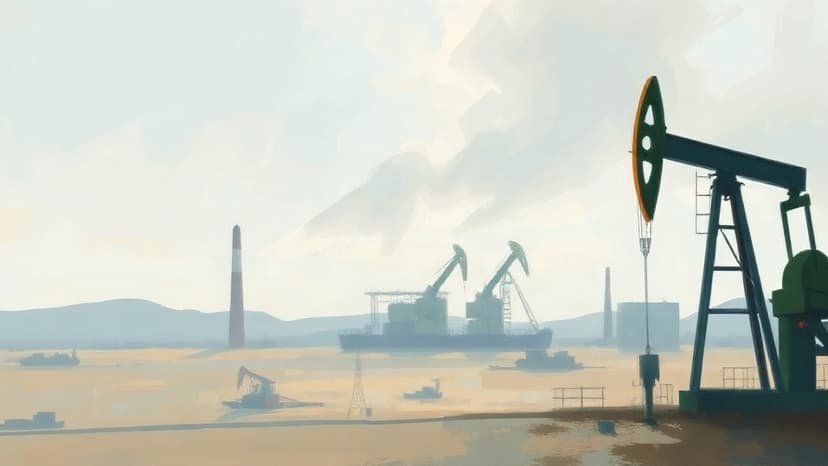
In the energy sector, Vietnam is working to minimize methane emissions from oil, gas, and coal activities by installing leak recovery systems and utilizing associated gas for power generation instead of flaring. This approach not only mitigates emissions but also enhances the supply of clean energy alternatives.
A standout feature of Vietnam's methane reduction plan is its emphasis on societal engagement. The government recognizes that achieving these ambitious targets will require the collective effort of citizens and businesses, not just state initiatives. Cooperatives and farmer organizations are being encouraged to adopt low-emission farming practices, with pilot projects demonstrating tangible benefits, such as increased incomes and reduced greenhouse gas emissions.
Despite facing challenges, the outlook for Vietnam to meet its methane reduction goals is encouraging. Successful examples from localities like Can Tho, where climate-smart rice farming has proven economically beneficial, underscore the viability of the proposed solutions.
As Vietnam navigates this critical path, stronger international cooperation, technology transfers, and proactive community involvement will be instrumental in realizing a resilient and sustainable future. This initiative not only aligns with Vietnam's international commitments but also promises to enhance agricultural productivity, improve living environments, and foster a greener economy for generations to come.



Comments