
Acorn Bioenergy Launches Winchester's First Anaerobic Digestion Facility to Boost Renewable Energy Transition
Acorn Bioenergy has inaugurated Winchester's first anaerobic digestion facility at Three Maids Hill, which will generate over 120 GWh of biomethane annually, sufficient to heat more than 9,000 homes. This plant will create 15 local jobs and support an additional 50 in the supply chain. By processing 83,600 tonnes of agricultural waste each year, it aims to reduce carbon emissions by around 30,000 tonnes, equating to planting 1.2 million trees. The facility also produces nutrient-rich digestate to enhance soil health and reduce fertilizer imports, contributing to the UK's energy security and net-zero goals.
 Theia Market Signal Identification - AI Assisted
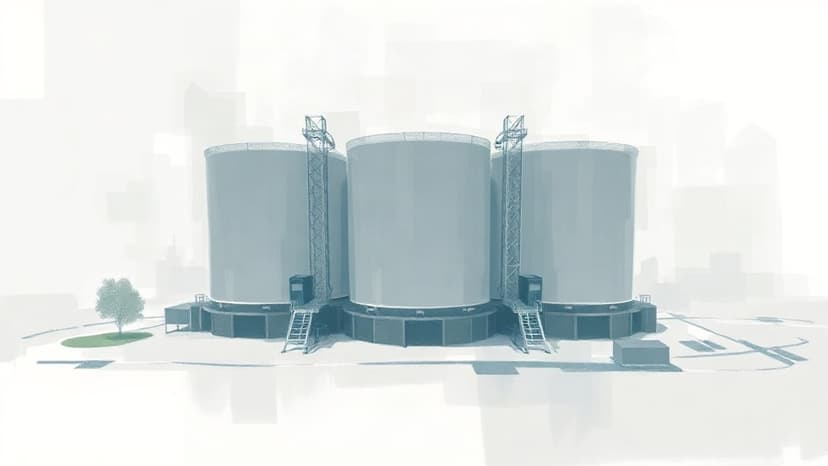
Acorn Bioenergy has taken a significant stride in Winchester's renewable energy landscape with the official launch of its first anaerobic digestion facility at Three Maids Hill. This state-of-the-art plant is set to produce over 120 gigawatt-hours of biomethane annually, enough to provide heating for more than 9,000 homes. Beyond its energy contribution, the facility promises to create 15 local jobs while supporting an additional 50 roles in the broader supply chain.
The plant will process approximately 83,600 tonnes of farm residues, manures, and rotational crops each year, leading to a substantial reduction in carbon emissions—around 30,000 tonnes, a figure that can be likened to planting 1.2 million trees or removing 15,000 cars from the roads. Furthermore, the facility will generate nutrient-rich digestate, enhancing soil health and decreasing reliance on imported fertilizers. It will also produce high-purity green carbon dioxide for industrial applications.
Sarah Jones, the Minister for Industry, emphasized the project's vital role in providing secure, clean energy for thousands of households while bolstering local employment opportunities in Hampshire. She noted the importance of biomethane in reducing dependency on imported fossil fuels and enhancing energy security, all crucial steps toward achieving net-zero emissions.
Alister Veitch, Head of Business Development at Acorn Bioenergy, described the Winchester site as a flagship hub that exemplifies the potential of renewable biogas generation to power homes, fortify food security, and support the UK's ambitious net-zero targets. By complementing intermittent renewable sources like wind and solar, this facility significantly strengthens the UK's energy system. Looking ahead, Acorn Bioenergy plans to develop a dozen more sites, aiming to supply 25% of the nation's biomethane by 2035, marking a promising advance in sustainable energy initiatives.



Comments