
Advocacy for LNG as a Solution for Oahu's Energy Future
Oʻahu's energy future relies on a mix of sources, with 69% currently from oil. Opponents of liquefied natural gas (LNG) risk repeating past mistakes, potentially costing ratepayers over $1 billion. The Climate Change Mitigation Commission projects that 26% of power may come from natural gas by 2045. Current renewable efforts, including solar, face significant land and economic challenges, while LNG offers a more stable alternative. Infrastructure costs for solar reliability may exceed those of LNG. Continued dependency on oil poses financial and environmental risks.
 Theia Market Signal Identification - AI Assisted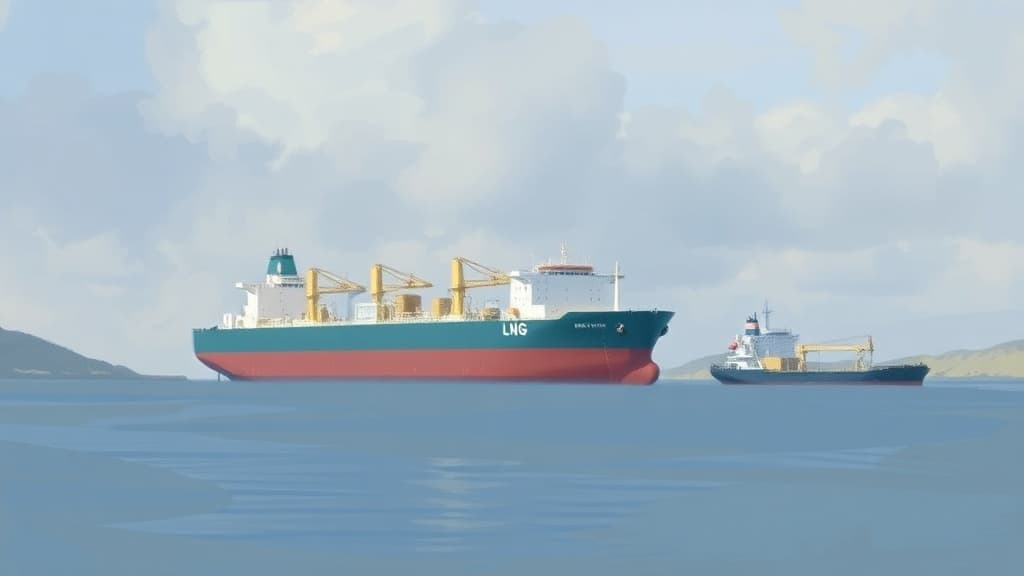
Oʻahu currently derives 69% of its power from oil, and opposing liquefied natural gas (LNG) may exacerbate existing costs for ratepayers by over $1 billion. The Climate Change Mitigation Commission indicates that natural gas may supply 26% of power by 2045, amidst challenges in achieving 100% renewable energy.
While solar power growth is significant, land and economic limitations hinder progress. LNG infrastructure costs are projected to be lower than those required for solar reliability. Transitioning to LNG could stabilize energy costs and emissions, making it a pragmatic choice for Oʻahu's energy strategy.


Comments