
Agrivoltaics Transforming Solar Farms in Canada
Agrivoltaics is enabling simultaneous clean energy and food production, with potential to meet a third of Canada's electricity needs from just 1% of agricultural land. The integration of sheep grazing at solar sites, particularly at the Travers Solar Project, showcases a sustainable model that supports both renewable energy and agricultural output.
 Theia Market Signal Identification - AI Assisted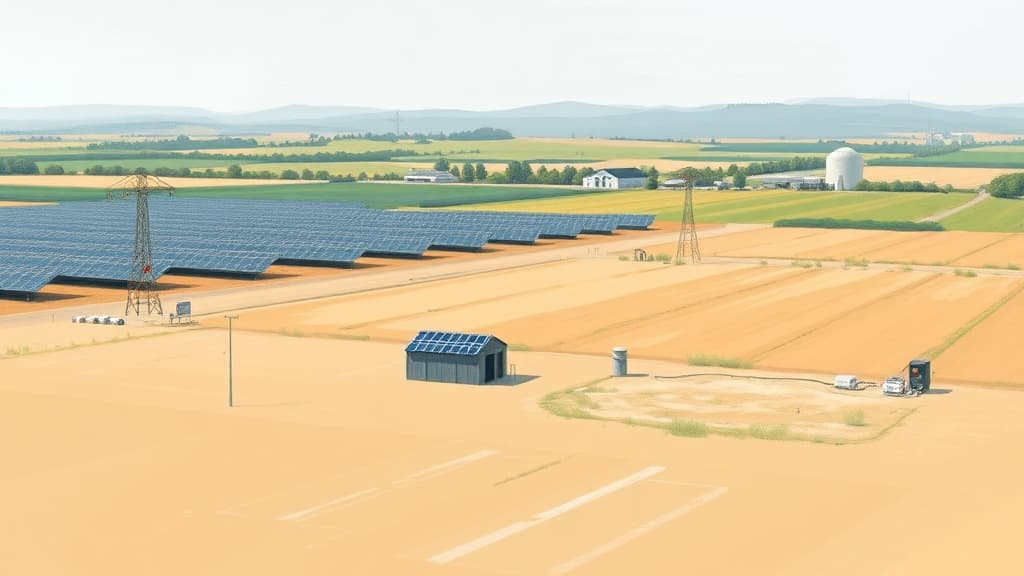
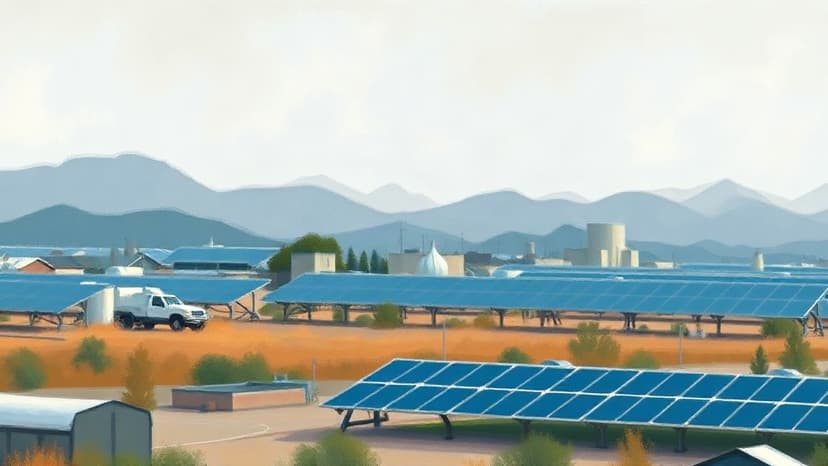
The Travers Solar Project in Canada, spanning 3,300 acres, utilizes agrivoltaics by integrating 2,300 sheep for non-mechanical vegetation control. This method allows for energy generation and pasture maintenance, potentially supplying over a third of Canada’s electricity needs from 1% of agricultural land.
The practice enhances soil health by providing shade, retaining moisture, and using sheep manure for nourishment. Yetwood Farm plans to double its sheep herd in 2026, as agrivoltaics gains traction in Alberta, where regulations mandate its use on certain agricultural lands.
Successful models are emerging, including sheep grazing and innovative poultry systems in solar farms. Outside Canada, the U.S. is seeing extensive sheep grazing on solar sites, and a vineyard project in British Columbia aims to combine solar energy with grape cultivation. These developments reflect a growing recognition of agrivoltaics as a viable solution for sustainable agriculture and renewable energy.

Comments