
Algeria Proposes Hybrid MED+RO Desalination Systems to Enhance Water Security Amid Climate Challenges
Algeria's reliance on pure reverse osmosis (RO) desalination faces operational vulnerabilities, with 1,680 hours of downtime annually. To address this, a hybrid MED+RO system is proposed, ensuring resilience by allowing MED to operate independently at 33% capacity during RO shutdowns. Although requiring a 28% higher capital investment, break-even occurs by year 16 due to reduced membrane replacement costs. Integration of ultrafiltration and AI for predictive maintenance further enhances efficiency. Algeria aims to increase desalination capacity to 5.3 million m³/day by 2030 to meet growing water demands.
 Theia Market Signal Identification - AI Assisted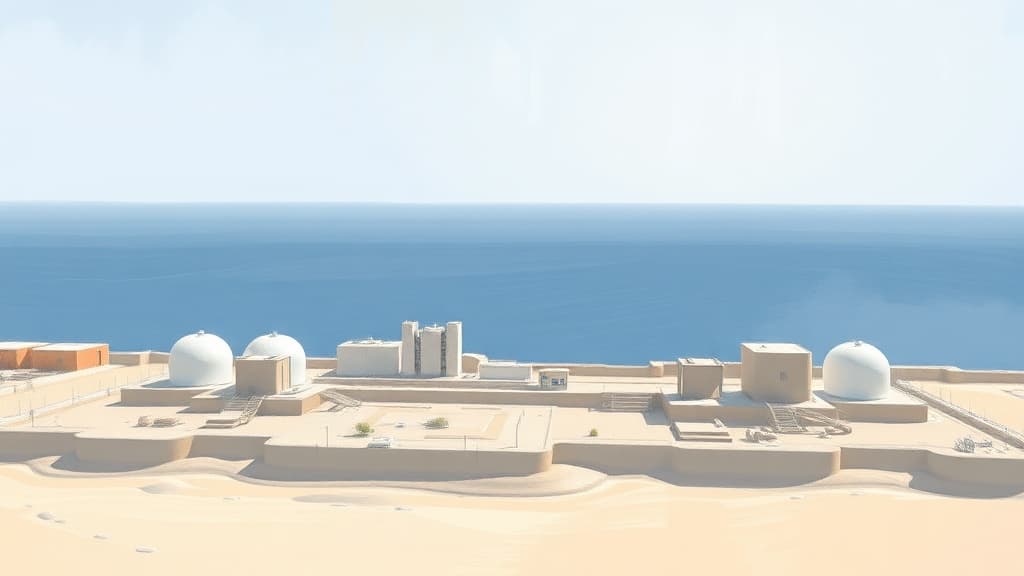
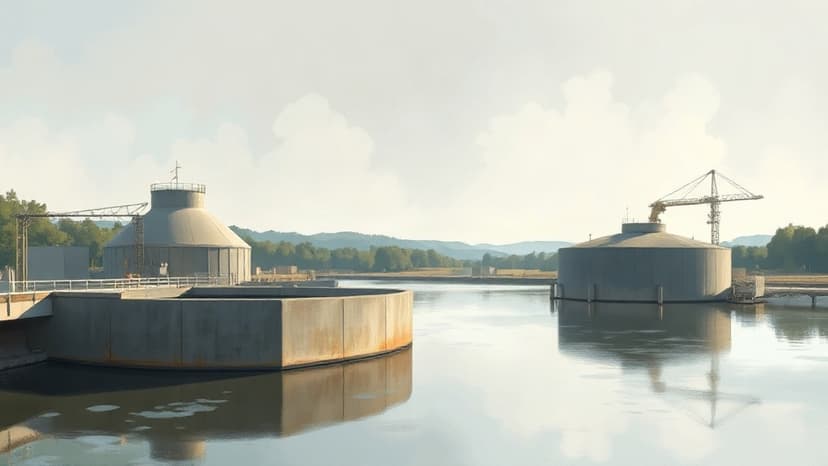
Algeria's desalination system, primarily based on reverse osmosis (RO), faces significant challenges due to increasing turbidity and operational downtime, averaging 1,680 hours per year across plants. A proposed hybrid MED+RO system, combining 1/3 thermal and 2/3 membrane technology, ensures operational resilience by allowing MED to function independently during RO failures.
While initial costs are 28% higher, long-term savings from reduced membrane replacements lead to a break-even point at year 16. Algeria plans to boost its desalination capacity to 5.3 million m³/day by 2030 to address a water deficit of 7 billion m³ annually, amidst rising climate pressures affecting water security.



Comments