
Analysis of SR-71 Retirement and Its Impact on F-22 Contract Bidding
The retirement of the SR-71 reconnaissance aircraft in 1990 was influenced by budget constraints and strategic shifts within the U.S. Air Force. This decision is analyzed in the context of Lockheed's competitiveness for the F-22 contract, revealing how funding dynamics and operational priorities affected program viability.
 Theia Market Signal Identification - AI Assisted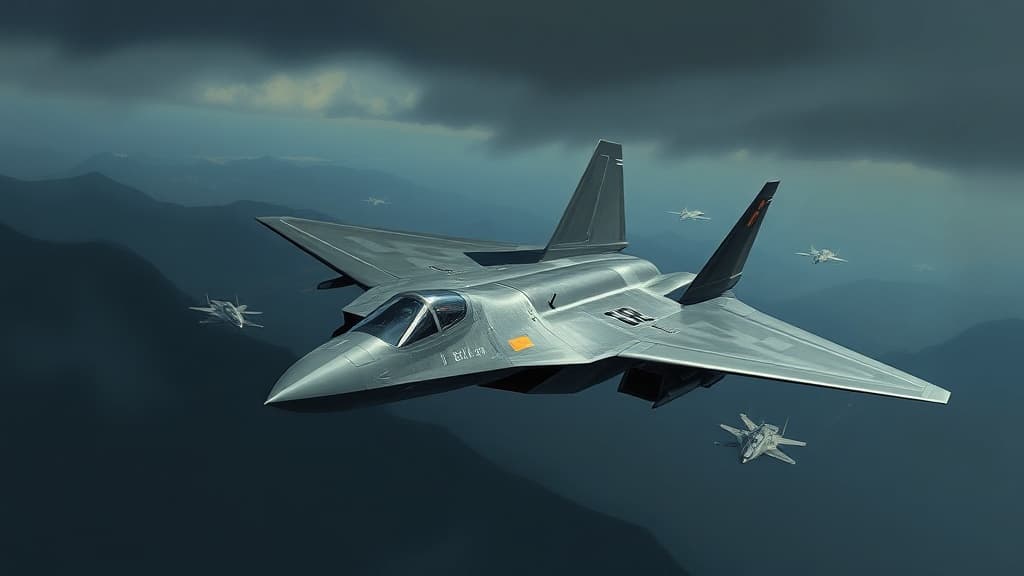
The U.S. Air Force ceased operations of the SR-71 on January 26, 1990, primarily due to budget cuts and high operational costs. The aircraft's capabilities, including flying at altitudes over 80,000 feet and surveying vast areas rapidly, were unmatched by satellite technology.
Internal debates revealed that the SR-71 funding was complicated by its classification and the Air Force's shifting focus towards satellite intelligence. Additionally, the predominance of Tactical Air Command leadership led to diminished support for high-altitude reconnaissance.
The dynamics of funding and operational priorities ultimately hindered Lockheed's prospects for future contracts, including the F-22. The implications of this retirement reflect the challenges of maintaining advanced reconnaissance capabilities in the face of evolving defense strategies.




Comments