
Andalucía's Missed Opportunities in Energy Recovery from Waste
Andalucía generates over 4 million tons of waste suitable for energy recovery, yet only 5.15% is currently converted into energy, primarily for cement production. Projections indicate that even with improved thermal substitution rates, only 10% of the potential will be realized by 2030, as the region lacks effective urban heat utilization. While successful models exist in Spain and the UK, logistical and contractual challenges continue to impede progress in waste-to-energy initiatives that could significantly reduce CO₂ emissions and support local energy needs.
 Theia Market Signal Identification - AI Assisted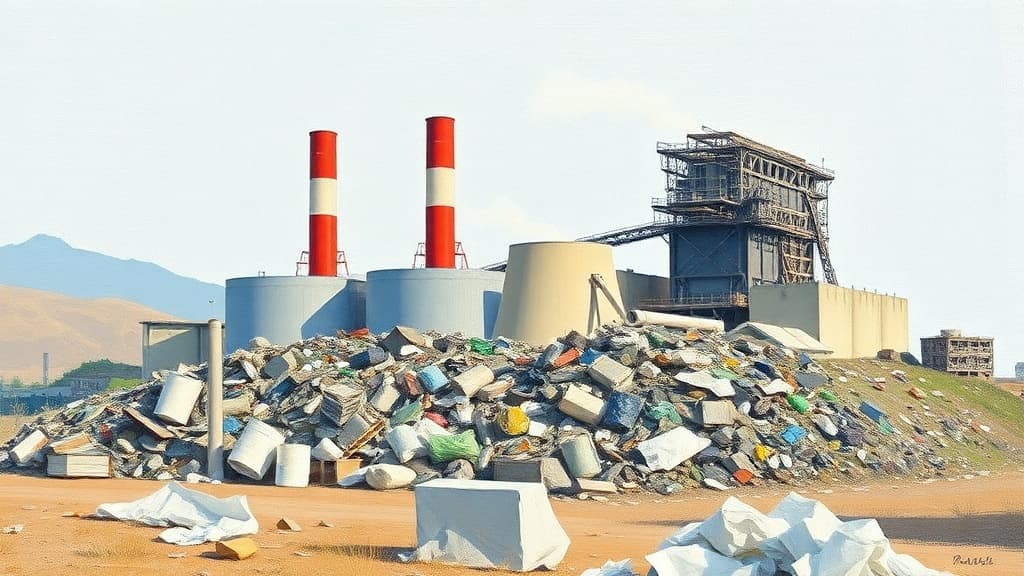
Andalucía generates 4,197,647 tons of waste suitable for energy recovery, yet only 5.15% is converted into energy, amounting to 216,242 tons used as alternative fuels in clinker kilns, with a thermal substitution rate of 41%. Projections for 2030 suggest that even with an increase to a 60% thermal substitution rate in the cement sector, only 10% of the potential would be realized.
The region lacks urban heat utilization, unlike the UK, which has established 63 energy-from-waste plants with significant capacity and heat exports. Successful examples within Spain, such as the Valdemingómez Technology Park, showcase the potential for municipal integration of anaerobic digestion and energy recovery.
Cádiz plans a landfill gas recovery project for 2027, aiming to produce 80 GWh of biogas annually. Despite existing strategies like the Biogas Roadmap, logistical and contractual challenges hinder progress. Waste-to-energy initiatives can complement recycling efforts and reduce CO₂ emissions, providing a pathway to local energy solutions.



Comments