
Australia's Green Iron Initiative: Decarbonizing Steel Production
Australia's transition to green iron could increase iron ore export revenues from $116 billion in 2024-25 to $386 billion by 2060. Major investments in renewable energy infrastructure and processing technologies are essential for this transformation, which aims to significantly reduce carbon emissions in metal production.
 Theia Market Signal Identification - AI Assisted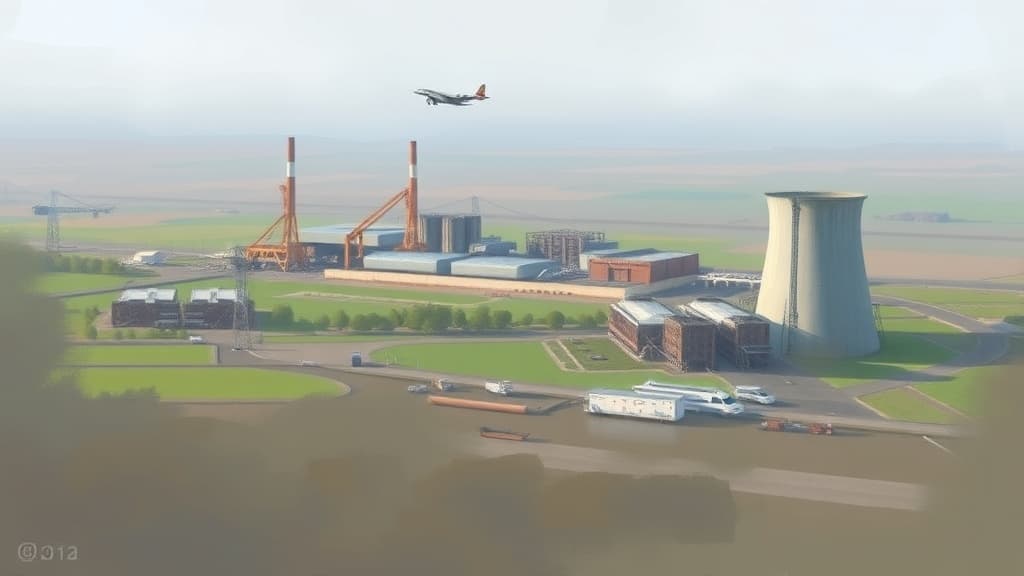
Australia's iron ore export earnings could rise dramatically to $386 billion annually by 2060, contingent on a shift to renewable-powered green iron production. The country currently holds a dominant position in the iron ore market, supplying approximately 55% globally, primarily from the Pilbara region.
However, challenges remain due to the lower iron content of Pilbara ores (55-62%), complicating their use in existing decarbonization processes. CSIRO is testing adaptations of direct reduction technology to make these ores suitable for low-carbon methods.
The transition demands substantial infrastructure investments, including a large-scale renewable energy network. Collaborative efforts include a hydrogen-ready DRI demonstration plant with BHP and POSCO, and the NEOSMELT project to develop electric smelting technology. If successful, these initiatives could reshape Australia's role from an ore exporter to a value-added producer, emphasizing renewable energy integration.


Comments