
B-21 Raider's Design Avoids B-2's Costly Cold War Redesign Flaw
Northrop Grumman's B-21 Raider omits the expensive sawtooth design of the B-2, a remnant of a canceled Cold War mission. This design choice reflects lessons learned from the B-2 program, aiming to streamline costs and enhance operational efficiency.
 Theia Market Signal Identification - AI Assisted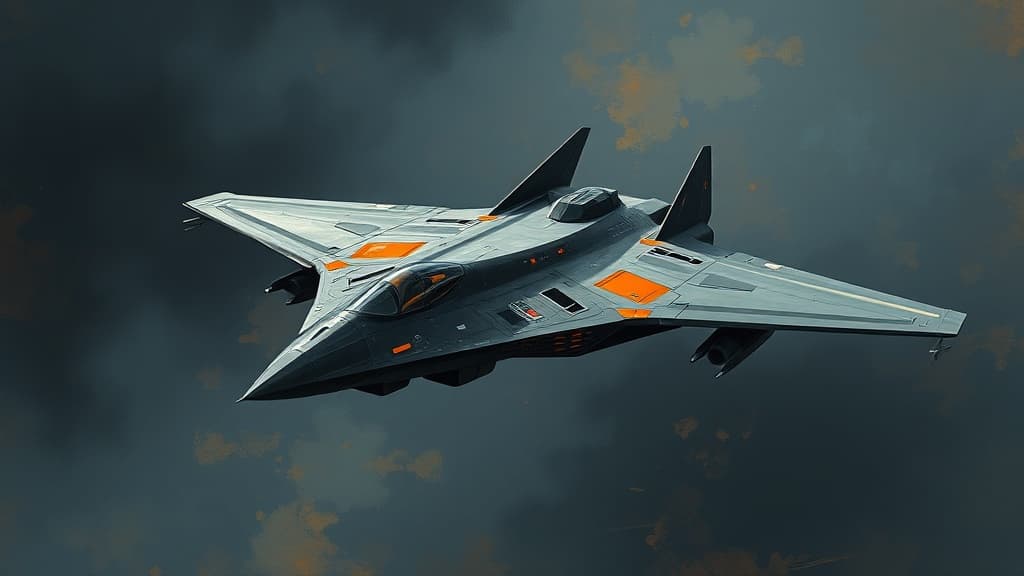
Northrop Grumman's B-21 Raider, currently undergoing flight testing at Edwards Air Force Base, features a simplified trailing edge design, unlike the B-2's complex sawtooth configuration. The B-2's redesign, driven by a low-altitude requirement added during its development in the mid-1980s, resulted in significant delays and increased costs, totaling an estimated $1 billion, before the mission became obsolete with the Soviet Union's collapse.
The B-21's cleaner design is expected to improve stealth and fuel efficiency, utilizing a more advanced engine architecture. By avoiding the pitfalls of the B-2 redesign, the B-21 aims to remain on schedule and within budget as it prepares for deployment at Ellsworth Air Force Base in South Dakota. This strategic shift highlights the importance of stable requirements and modular design in defense procurement.



Comments