
Bangladesh's Zero-Waste Efforts Threatened by Incinerator Plans
The Bangladesh government is advancing plans for a waste-to-energy incinerator in Amin Bazar, projected to generate over 309 million GWh annually. This incinerator poses significant risks to local waste pickers and undermines successful community-based waste management initiatives like those in Betgari, which have demonstrated effective zero-waste practices since 2020.
 Theia Market Signal Identification - AI Assisted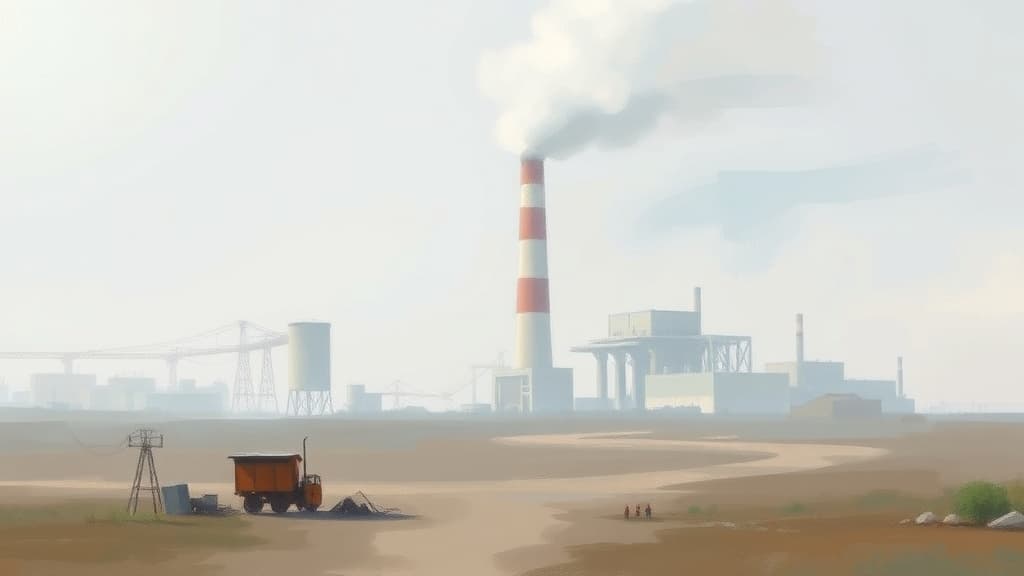
The Bangladesh government is moving towards the approval of a waste-to-energy incinerator in Amin Bazar, anticipated to generate over 309 million GWh per year. This project has raised concerns regarding environmental health and the livelihoods of waste pickers, such as Shathi from Betgari, a village that successfully implemented a zero-waste strategy in 2020.
In Betgari, community practices have led to organic fertilizer production and reduced greenhouse gas emissions through composting and biogas. However, if the incinerator expands nationwide, it could threaten these local initiatives and create significant displacement for informal workers.
The project lacks provisions for worker rehabilitation and does not address the environmental toxicity of incinerator ash, which contains heavy metals harmful to health. The reliance on incineration contradicts sustainable waste management principles and could exacerbate existing environmental issues.



Comments