
Closure of Fairchild Semiconductor Factory in Navajo Territory Amid Labor Disputes
The Fairchild Semiconductor factory in Shiprock, operational from 1965 to 1975, employed hundreds of Navajo women to assemble electronic components. The closure stemmed from an industrial downturn, layoffs, and protests, highlighting issues of labor conditions and economic dependency in the Navajo community.
 Theia Market Signal Identification - AI Assisted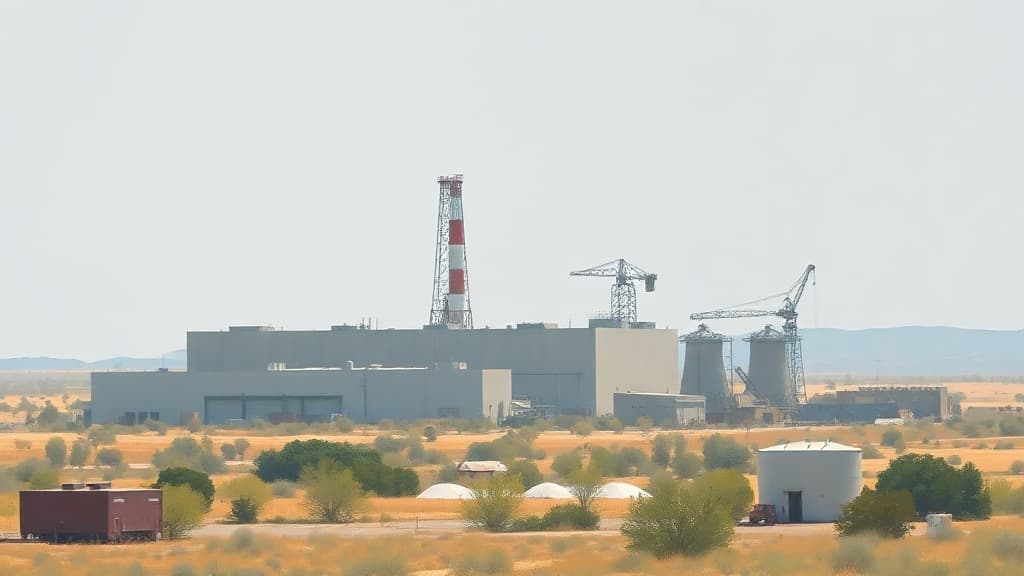
Fairchild Semiconductor's Shiprock factory, operational from 1965 until its closure in 1975, employed hundreds of Navajo women for the assembly of integrated circuits and transistors. This facility, noted for producing high-quality components for electronics, faced a significant downturn marked by layoffs and labor protests.
The factory, which contributed to the expansion of the electronics industry, became the largest private employer of Indigenous workers in the U.S. Despite its initial success, the factory's operations were ultimately unsustainable, leading to its closure amid economic pressures and demands for better working conditions. The legacy of the factory underscores the tension between technological advancement and labor equity.



Comments