
Croatia's Battery Energy Storage Capacity Stalled by Regulatory Issues
Croatia currently has only 11 MW of battery energy storage capacity amid high investor interest. The Croatian Chamber of Commerce (HGK) emphasizes the need for a grid connection fee, which has been pending since September 2022, to facilitate investments. Croatia imports 60% of its energy, with fossil fuels contributing to its trade deficit. The National Energy and Climate Plan aims for 250 MW of battery capacity by 2030, but progress remains limited. Key challenges include undefined grid charges for batteries and restrictive business models.
 Theia Market Signal Identification - AI Assisted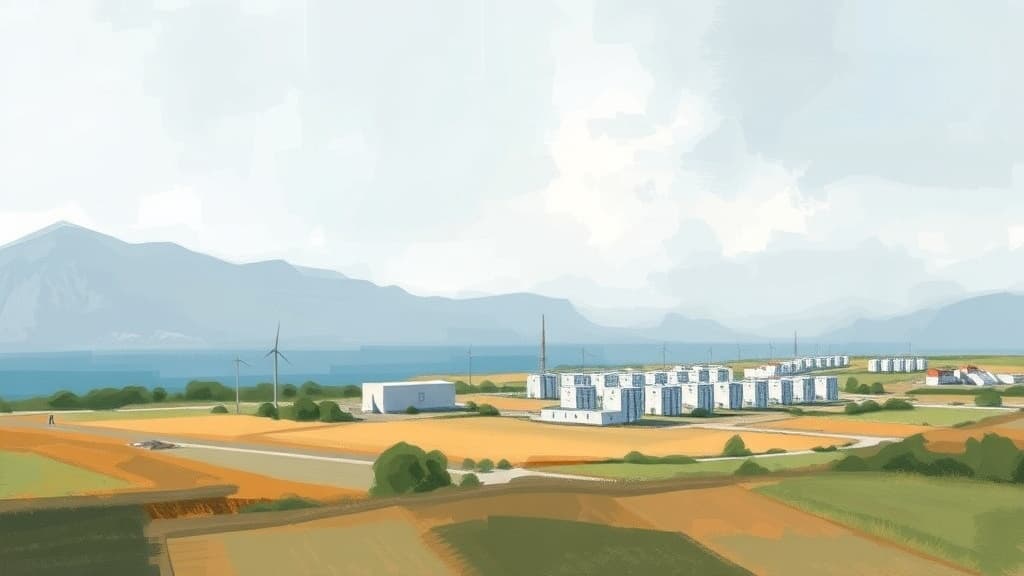
Croatia has only 11 MW of battery energy storage despite significant investor interest, according to the Croatian Chamber of Commerce (HGK). The lack of a grid connection fee, pending since September 2022, is a major barrier to investment.
Croatia imports 60% of its energy, exacerbating its trade deficit. The National Energy and Climate Plan targets 250 MW of battery capacity by 2030, but only about 60% of the target is expected to be met this year.
Challenges include unclear grid charges and restrictive business models for battery operations. The HGK highlights that regulatory changes are needed for effective battery integration into the energy market.



Comments