
Croatia's Okoli Gas Storage at 23% Capacity Amid Winter, Director Confirms No Immediate Risk
Croatia's Okoli gas storage facility is currently at 23% capacity, down from 34% last year and below the EU average of 49.85%. Director Vlado Vlašić stated that this situation is anticipated and poses no immediate risk, attributing the low levels to market strategies ahead of planned upgrades at the LNG terminal on Krk. Future expansions and a new storage facility aim to strengthen Croatia's energy infrastructure, emphasizing the ongoing importance of gas storage alongside renewable energy sources.
 Theia Market Signal Identification - AI Assisted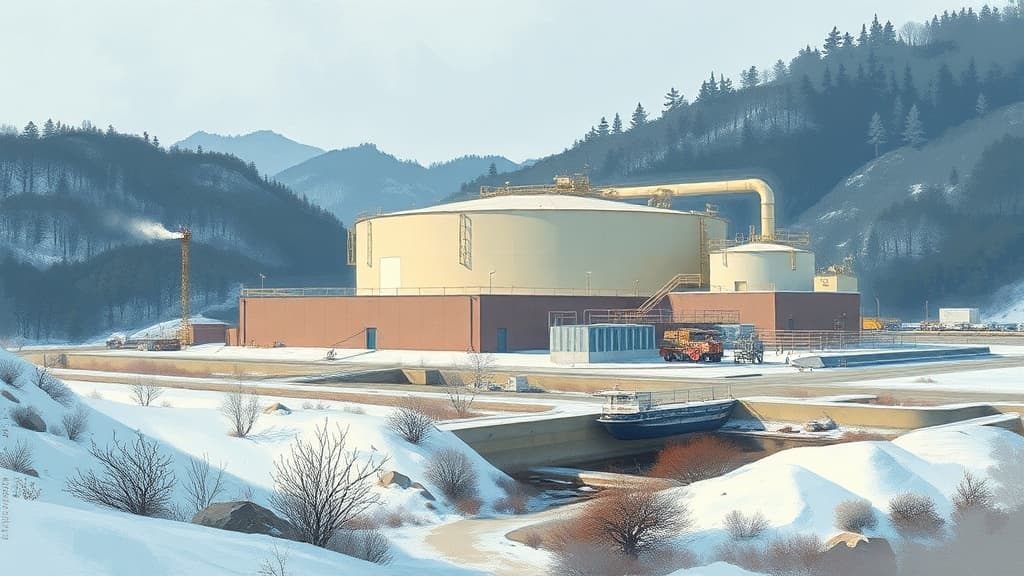
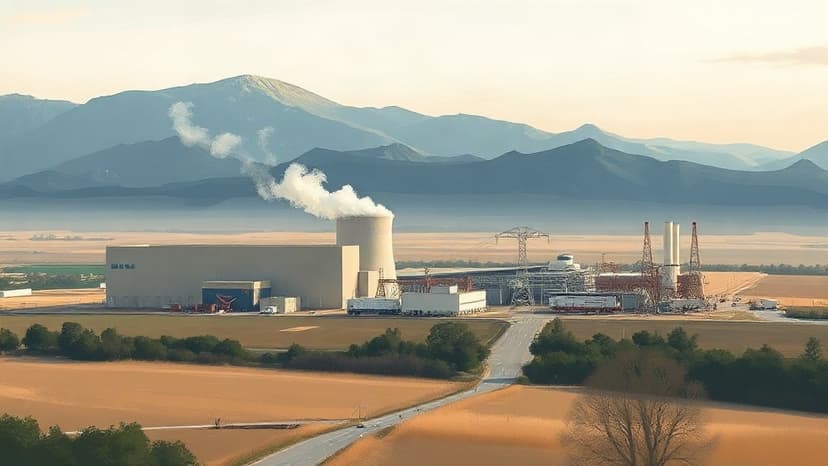
As of early 2026, Croatia's only active underground gas storage facility, Okoli, is filled to just 23% of its capacity, significantly lower than the previous year's 34% and below the EU average of 49.85%. Director Vlado Vlašić emphasized that this situation is expected and not a sign of an impending crisis.
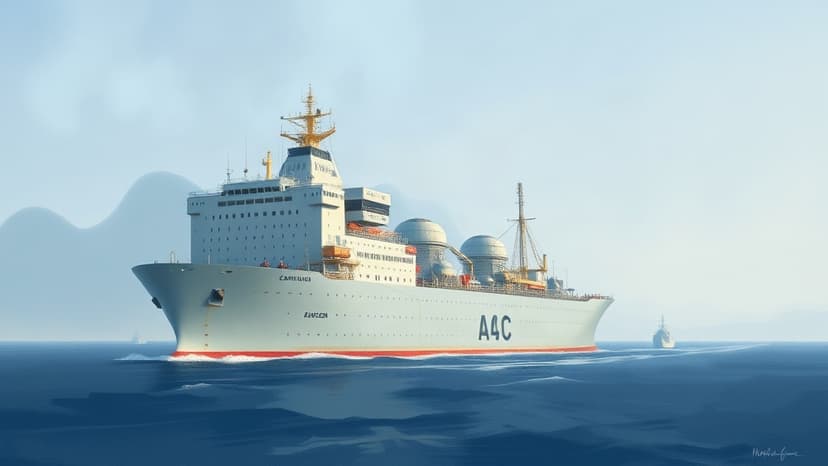
The low levels result from market strategies, as gas suppliers filled the storage to 90% in August, anticipating a temporary halt to operations at the LNG terminal on Krk for upgrades. The state maintains a supervisory role, intervening only in extreme market disruptions.
The gas supply model relies on domestic production, LNG imports, and the flexibility of Okoli. Future expansions at the LNG terminal and a new storage facility in Grubišno Polje aim to enhance Croatia's energy position. Vlašić asserts that gas storage will remain strategically important despite the rise of renewable energy sources.

Comments