
Cuba's Energy Shift Accelerated by US Oil Embargo and Chinese Technology
The US oil embargo against Cuba has catalyzed a rapid transition to renewable energy, particularly solar power, as citizens adapt to fuel shortages. The Cuban government is collaborating with China, which provides affordable solar technology, aiming for 40% of electricity from renewable sources by 2035.
 Theia Market Signal Identification - AI Assisted
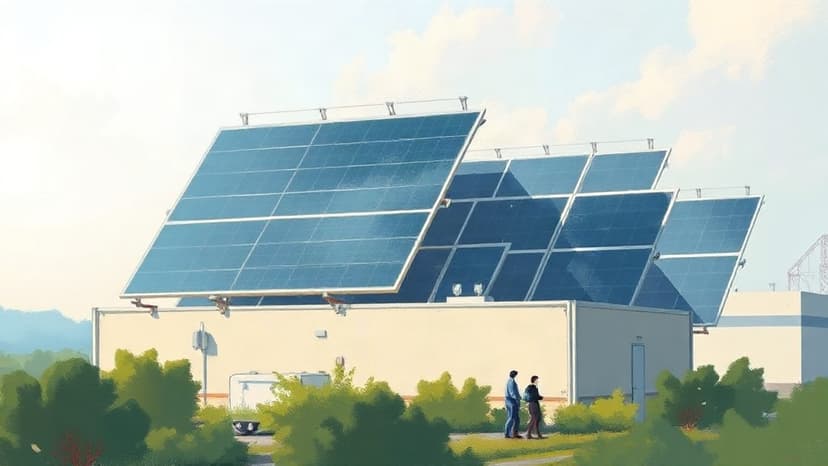
Cuba aims for 40% of its electricity to come from renewable sources by 2035, spurred by the US oil embargo. Citizens, like Wilmer Morales and Niurka Contino, have turned to electric vehicles and solar energy to cope with fuel shortages.
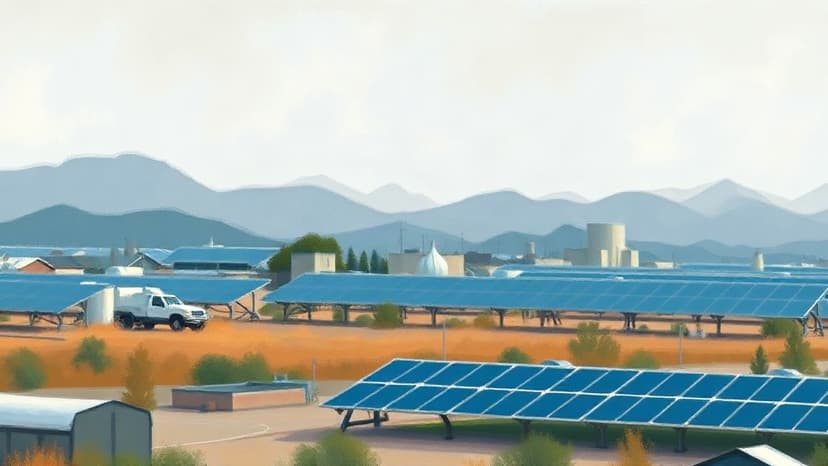
The government has installed 52 solar parks, generating up to 1000 megawatts during peak hours. However, the existing power grid struggles with capacity issues, especially at night. The reliance on Chinese imports for solar technology is increasing due to affordability and suitability for local conditions.
The shift has created disparities, with wealthier citizens gaining access to renewable solutions while many remain reliant on state resources. This transition could reshape Cuba's energy landscape but poses risks of social inequality.

Comments