
Drought Threatens Electric Grid Stability Amid Climate Change Challenges
Drought is increasingly threatening the stability of the electric grid, particularly in California, where severe conditions led to the shutdown of the 644-MW hydroelectric plant at Lake Oroville. With U.S. hydropower output at its lowest since 2001, the drought not only reduces electricity supply but also raises energy demand in agriculture and wildfire risks, necessitating a reevaluation of energy strategies to enhance grid resilience and reduce water reliance amid climate change challenges.
 Theia Market Signal Identification - AI Assisted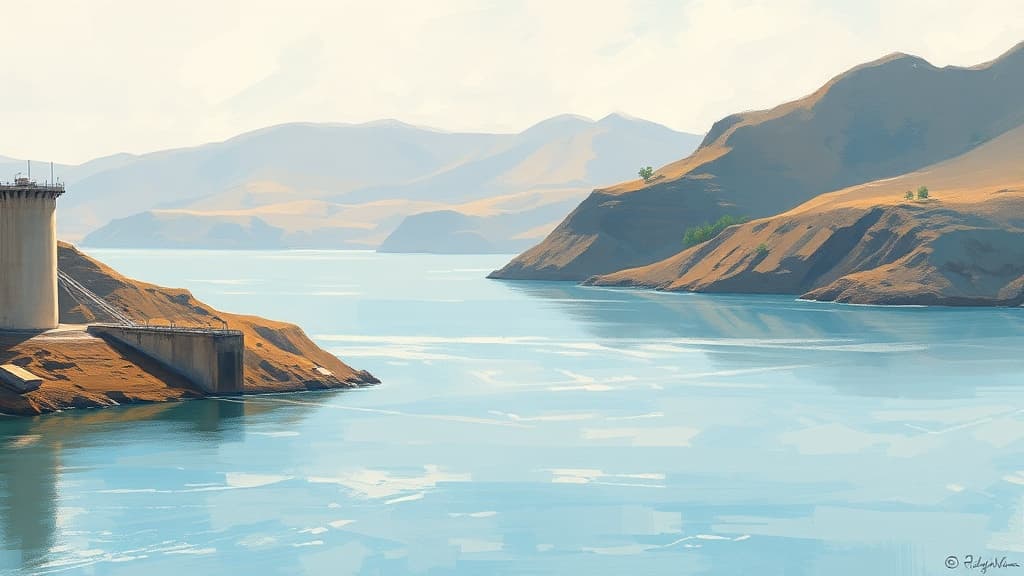
Drought poses a systemic threat to the electric grid, affecting supply, costs, and infrastructure planning. California's Lake Oroville experienced a shutdown of its 644-MW hydroelectric plant due to severe drought conditions.
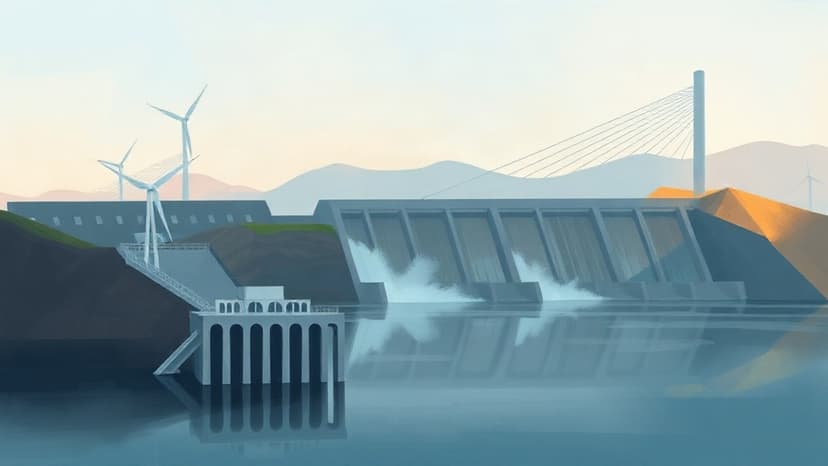
Drought impacts hydropower output, with U.S. hydroelectric plants generating around 6% of total electricity. The 2022-23 water year saw the lowest hydropower output since 2001. Drought also increases energy demand in agriculture and raises wildfire risks, complicating grid reliability.
Water's role in energy production is significant, consuming 12-19% of California's electricity. Future energy strategies must focus on reducing water reliance and enhancing grid resilience amid increasing climate extremes.

Comments