
Equinor Pursues Renewable Energy Growth Amid Challenges in South Korea
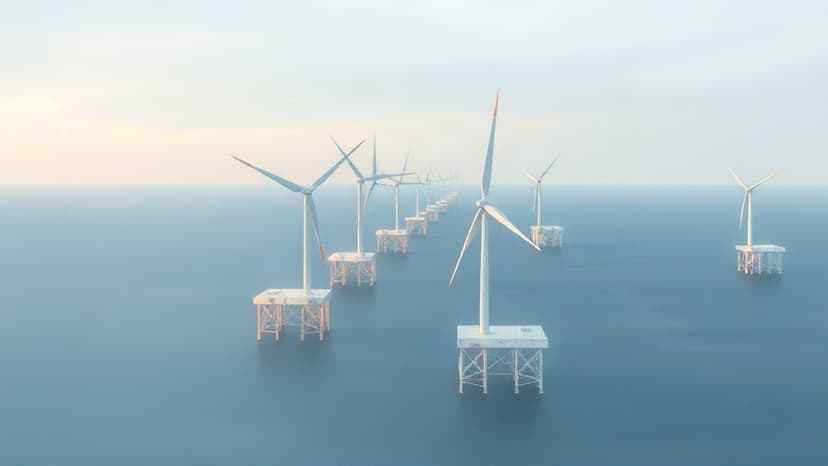
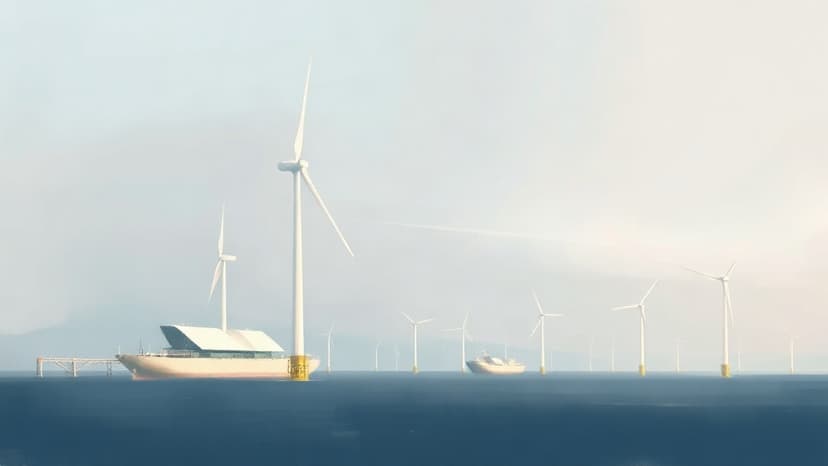
Equinor is advancing its renewable energy initiatives in South Korea, focusing on projects like the Bandibuli floating offshore wind farm and the Donghae1 project, which collectively aim to contribute up to 6 GW of offshore wind capacity by 2034. However, the company faces significant challenges, including bureaucratic hurdles, delays in approvals, and missed deadlines for state support, which threaten its ability to align with South Korea's renewable energy goals amid a complex energy market.
 Theia Market Signal Identification - AI Assisted
Equinor has established a presence in South Korea over the past decade, focusing on offshore oil, gas, and renewable energy. The company is developing significant projects, including the Bandibuli floating offshore wind farm, which aims for 750 MW, and the Donghae1 project with a capacity of 200 MW.
Together, these contribute to a planned pipeline of 4 to 6 GW of offshore wind. Despite its commitment to South Korea's renewable goals, including a target to expand offshore wind by 2034, Equinor faces challenges such as bureaucratic complexities, delays in approvals, and structural issues within the national grid.
The company reportedly missed a deadline for state backing of the Bandibuli project, jeopardizing potential government support. South Korea's energy market, influenced by geopolitical factors and existing fossil fuel reliance, presents both opportunities and obstacles for Equinor as it seeks to navigate the local regulatory landscape.
Comments