
Europe Aims for Energy Sovereignty with Offshore Wind Strategy in the North Sea
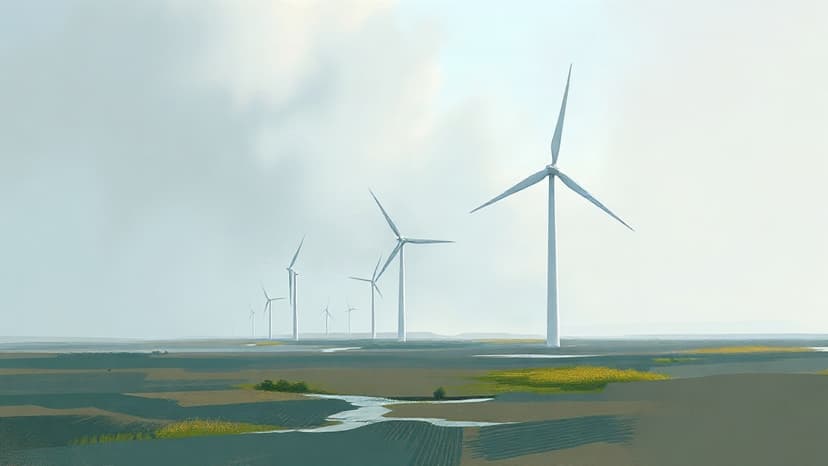
Europe is advancing a strategy to enhance energy sovereignty through offshore wind production in the North Sea, as outlined in a joint agreement signed by European governments, industry, and NATO. This initiative aims to reduce energy costs and reliance on external sources, while addressing challenges such as capital costs and regulatory timelines. The strategy is also influenced by the geopolitical context of the Ukraine war, emphasizing the need for a robust and interconnected energy network.
 Theia Market Signal Identification - AI Assisted
Europe is working to transform the North Sea into a robust energy infrastructure aimed at reducing costs and external vulnerabilities. A joint agreement signed in Hamburg by European governments, industry sectors, and NATO emphasizes energy as a collective security issue.
The strategy focuses on lowering energy prices by boosting offshore wind production, potentially decreasing costs significantly by 2040. The industrial impact includes less reliance on cheap gas and subsidized electricity, fostering fiscal space for strategic sectors.
However, challenges include capital costs and supply chain visibility. Strengthening the energy network is crucial to prevent energy bottlenecks and enhance mutual dependencies. The North Sea serves as a testing ground for shared sovereignty and requires stronger governance.
Additionally, the geopolitical landscape is shaped by the Ukraine war, pushing Europe towards domestic energy production. The timeline for approvals remains a challenge, with the need for swift regulatory processes to realize these ambitions.
Comments