
Europe Plans to Eliminate Russian Gas by 2027 Amid Infrastructure Challenges
Europe plans to eliminate Russian gas by 2027, but faces significant infrastructure challenges, as much of the necessary capacity is still under construction or in planning stages. Despite a 44% drop in Russian gas exports via pipeline in 2025, Hungary and Slovakia continue to invest in existing pipelines, complicating disconnection efforts. Floating Storage and Regasification Units (FSRUs) are emerging as a rapid solution for LNG, but the region's energy independence depends on timely infrastructure development.
 Theia Market Signal Identification - AI Assisted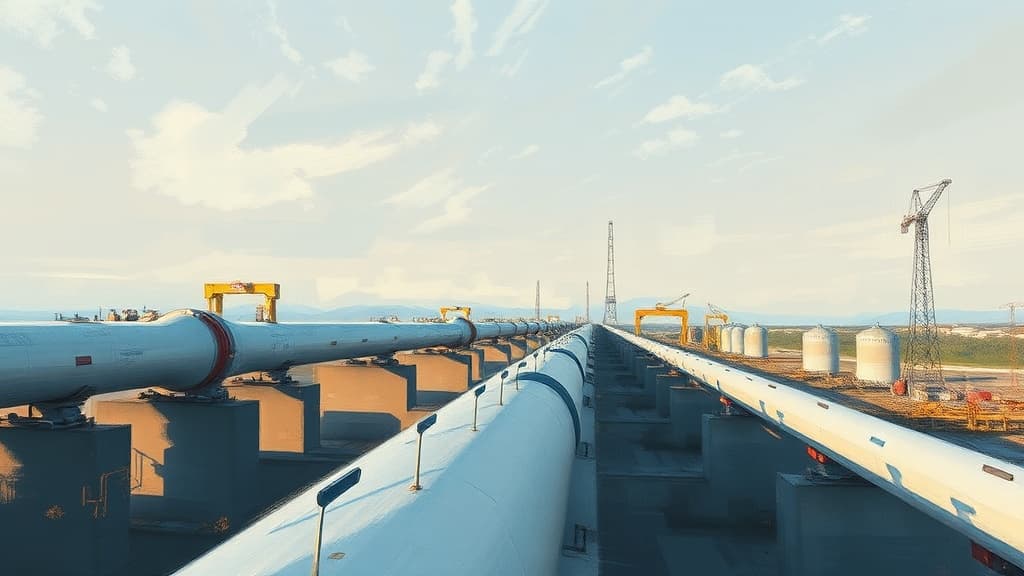
Europe aims to eliminate all Russian gas from its energy system by 2027. However, significant infrastructure gaps remain, with much of the necessary capacity still under construction or in planning phases.
Analysts highlight that while the focus has been on LNG prices, the real crisis lies in infrastructure development. Russian gas exports via pipeline to Europe fell 44% in 2025, reaching levels not seen since the 1970s, exacerbated by the closure of the Ukrainian route.
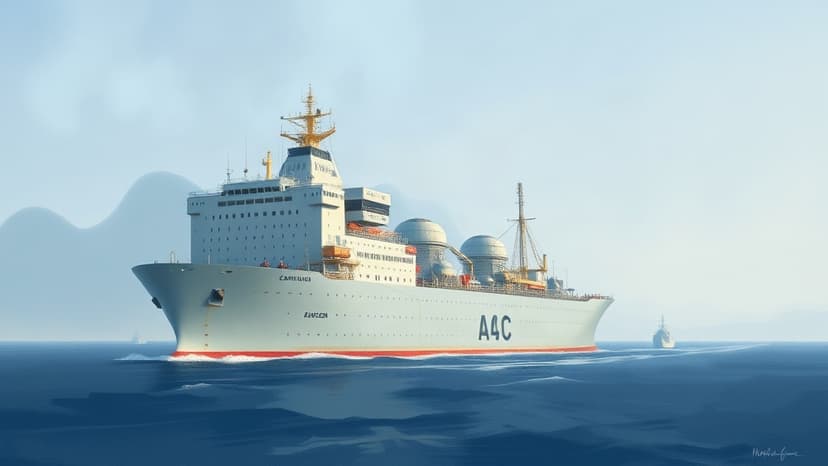
Hungary and Slovakia continue to invest in Russian gas through existing pipelines, undermining European disconnection efforts. Floating Storage and Regasification Units (FSRUs) are emerging as a crucial, quick-deployment solution for LNG, with companies like Excelerate Energy and Höegh LNG playing key roles.
Despite a temporary drop in gas prices, any extreme weather or terminal issues could quickly destabilize the situation. Europe's energy independence hinges on timely infrastructure completion.
Comments