
Great Lakes Ports Adapt Strategies Amid Tariff Challenges and Infrastructure Investments
US ports along the Great Lakes are experiencing significant shifts due to tariffs impacting steel and aluminum imports. Ports are pivoting towards diversification, including increased iron ore shipments and agricultural exports, amid ongoing investment in infrastructure and capacity enhancements.
 Theia Market Signal Identification - AI Assisted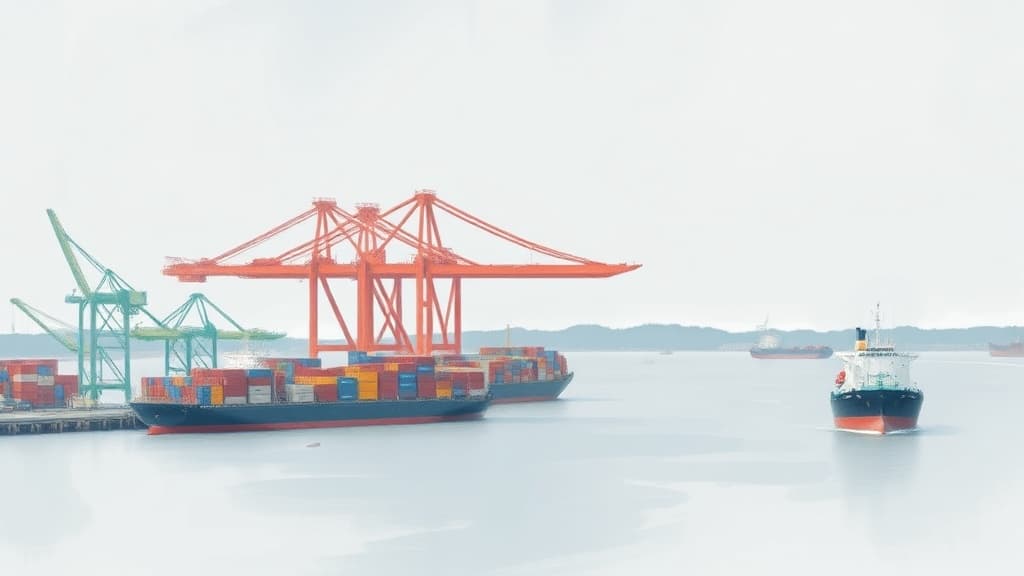
The Great Lakes ports are facing a notable decline in steel and aluminum imports due to tariffs, with some ports reporting a 30% decrease in steel shipments. In response, the Port of Cleveland has increased its iron ore shipments by 30% as local steel production rises.
The Port of Detroit is redirecting efforts towards agricultural exports, while also exploring biofuels and hydrogen production. At the Port of Duluth, a $27.5 million grant aims to revitalize a 200-acre site for bulk cargo by 2030-31, despite a 94% year-over-year drop in overall tonnage.
Meanwhile, Ports of Indiana is investing $100 million to expand its container terminal and enhance general cargo capabilities, indicating a broader trend of infrastructure investment across the region. These developments highlight the ports' strategies to adapt to tariff impacts and shifting market dynamics.




Comments