
Indigenous Disputes Arise Over Ksi Lisims LNG Project in British Columbia, Canada
The Ksi Lisims LNG project in British Columbia, involving the Nisga'a Nation and other partners, is set for a final investment decision by early 2026, aiming to create Canada's second-largest LNG terminal. However, it faces opposition from Indigenous communities, particularly the Gitanyow chiefs, who warn of ecological risks and lack of consent. As the Canadian government designates the project as a 'national interest' to expedite approvals, concerns about environmental impacts and declining LNG demand in Asia remain prominent.
 Theia Market Signal Identification - AI Assisted
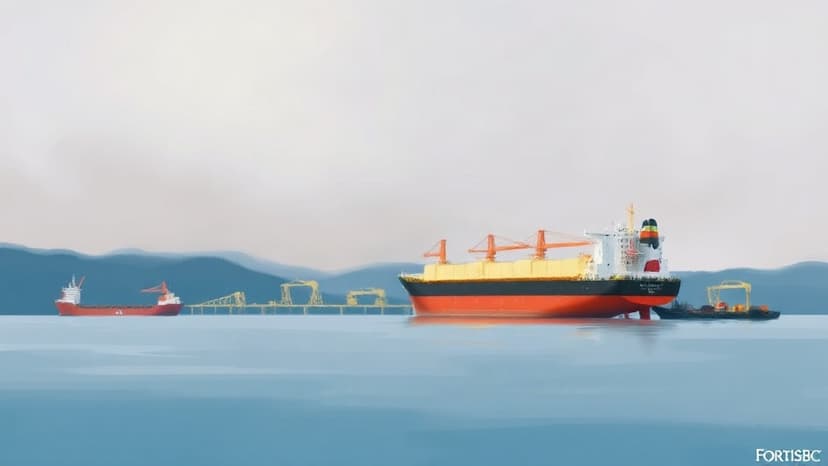
A final investment decision on the Ksi Lisims LNG project in British Columbia is expected by early 2026. This project, involving the Nisga'a Nation, Western LNG, and Rockies LNG Partners, aims to establish the second-largest LNG terminal in Canada on Pearse Island, linked to shale gas fields via an 800-kilometer pipeline.
However, it has generated significant dissent among Indigenous communities. The Gitanyow chiefs, representing around 800 Gitxsan members, oppose the pipeline, citing threats to local salmon rivers and lack of consent from affected First Nations.
The Canadian government, under Prime Minister Mark Carney, is promoting fossil fuels as a means of economic sovereignty, designating Ksi Lisims as a 'national interest' project to expedite approvals. Despite the potential economic benefits for the Nisga'a, concerns about ecological impacts and market uncertainties persist, as demand for LNG in Asia declines. The project tests Canada's ability to balance energy ambitions with Indigenous reconciliation.

Comments