
Indonesia Faces Growing Waste Crisis Amid Efforts to Develop Waste-to-Energy Solutions
Indonesia's waste crisis is set to worsen, with national waste expected to reach 82.2 million tons by 2045. In response, the government is accelerating waste-to-energy initiatives, but faces challenges in funding and infrastructure. A recent report highlights the urgent need for improved waste management practices, including significant investments in energy-from-waste facilities.
 Theia Market Signal Identification - AI Assisted
As Indonesia grapples with an escalating waste crisis, a recent report from the National Development Planning Agency (Bappenas) reveals alarming projections: national waste volumes could soar to 82.2 million tons by 2045, an increase from a projected 63 million tons in 2025. This trend is exacerbated by a rising population, leading to a decline in waste management capabilities. By 2045, it is anticipated that only 9.39% of waste will be adequately managed under a "business as usual" scenario.
Recent data indicates that in 2024, Indonesia produced 34.2 million tons of waste, with only 59.74%—approximately 20.4 million tons—successfully processed. Household waste consistently constitutes the largest portion of this total, with projections showing it will account for over 60% of national waste by 2023.
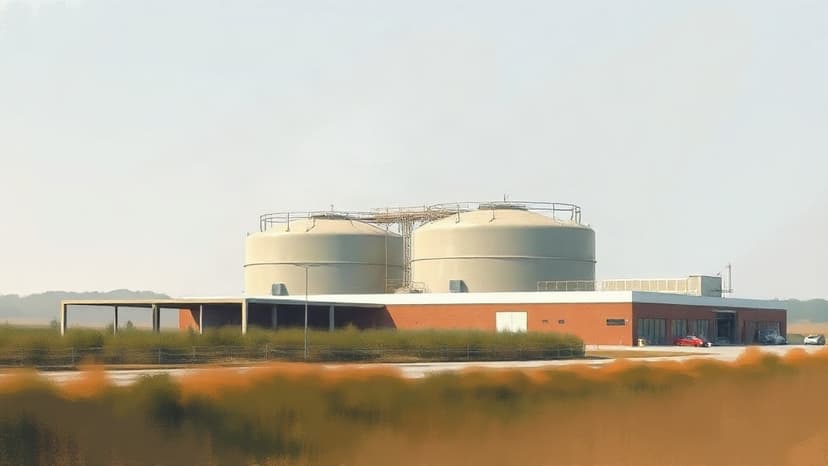
In an effort to confront this mounting challenge, the government is emphasizing the development of waste-to-energy (WtE) technologies. President Prabowo Subianto has called for expedited administrative processes to facilitate WtE projects, aiming to cut the bureaucratic timeline from six months to three. This initiative aims to resolve a decade-long stagnation in waste management.
Despite these efforts, the national target for WtE capacity has been revised down from 518 megawatts to 453 megawatts in the upcoming electricity supply plan. This reduction is particularly pronounced in Java, Madura, and Bali, where projected capacity has dropped significantly. The financial viability of WtE projects remains a concern, as the high investment costs for converting waste to electricity make these projects less attractive.
Investment estimates indicate that achieving a target of 100% waste management by 2029 will require around 300 trillion rupiah. This investment will focus on transforming open dumping sites into sanitary landfills and establishing integrated waste processing facilities across the nation.
The Minister of Environment has confirmed the government's commitment to achieving these ambitious goals, underscoring the urgency of addressing Indonesia's waste management crisis. The anticipated Presidential Regulation, set to be issued soon, will outline plans for WtE facilities and establish guidelines for electricity generated from waste.
However, financing remains a significant challenge. The selling price of electricity generated from WtE facilities is influenced by various factors, including tipping fees, which many local governments struggle to accommodate due to limited fiscal resources. The forthcoming regulations aim to clarify these financial structures and responsibilities.
Meanwhile, the introduction of the Patriot Bond by the investment management firm Danantara seeks to raise 50 trillion rupiah for funding these projects, attracting interest from major conglomerates. Yet, experts caution that the success of such financing initiatives hinges on clear objectives and the viability of the underlying projects.
As the nation aims for a comprehensive solution to its waste problem by 2029, the integration of WtE technologies must be implemented alongside robust strategies for waste segregation and management. Without addressing the fundamental issues of waste processing and environmental impact, the ambitious goals set forth may remain out of reach.
The path forward requires a concerted effort from both the government and private sectors, ensuring that the transition to a cleaner energy future does not come at the expense of environmental sustainability and public health.


Comments