
Ireland Launches Largest Agri-Based Biomethane Plant in Ballinrobe, Promising Economic Growth and Job Creation
Minister Alan Dillon has inaugurated Ireland's largest agri-based biomethane plant in Ballinrobe, set to inject approximately €200 million into the local economy and create over 225 jobs. The facility focuses on processing agricultural waste, aiming to produce 85 GWh of renewable gas annually. Designed with farmers in mind, it promotes sustainable practices by converting waste into biofertiliser and reducing reliance on chemical fertilizers. The plant is expected to be operational by 2027, aligning with Ireland's renewable energy targets.
 Theia Market Signal Identification - AI Assisted
Minister of State for Energy, Climate, and the Environment, Alan Dillon, ceremoniously turned the sod on Ireland's largest agri-based biomethane plant in Ballinrobe, marking a significant milestone for both the local community and the nation’s renewable energy ambitions. Accompanied by key representatives from Nephin Renewable Gas, Flogas, DCC plc, and Canadian Ambassador Dennis King, Dillon heralded the project as a catalyst for economic development, projected to contribute €200 million to the local economy while generating more than 225 jobs across various sectors.
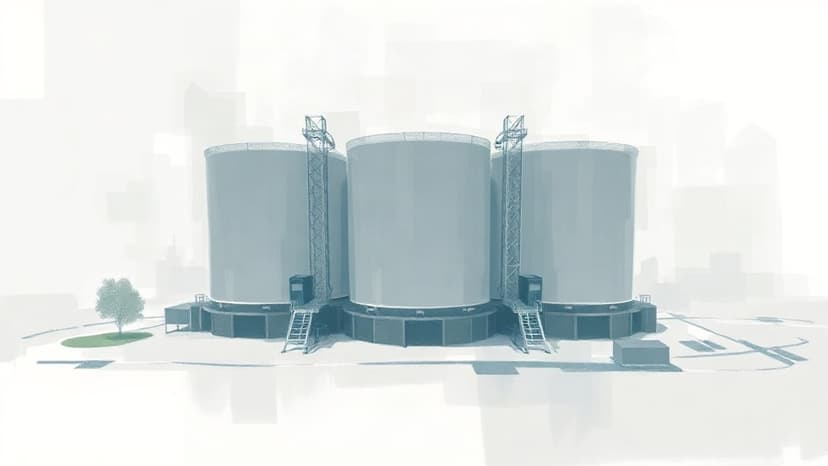
"This is a proud day for Ballinrobe and rural Mayo," Dillon remarked, emphasizing the strategic partnership between Nephin and Flogas as a transformative step in Ireland's green energy landscape. The €50 million facility is designed to process 90,000 tonnes of agricultural waste annually, producing over 85 GWh of renewable gas—sufficient to heat thousands of homes. Notably, this initiative prioritizes agricultural inputs, utilizing manures, slurries, and crop residues, which sets it apart from conventional anaerobic digestion plants that typically depend on food or municipal waste.
The project's design is inherently farmer-focused, creating new revenue streams for local farmers through feedstock supply. It also aims to lower on-farm emissions while returning nutrient-rich biofertiliser to enhance soil health, thereby reducing dependency on chemical fertilizers. This initiative exemplifies the principles of a circular economy, transforming waste into valuable resources with farmers at its core.
Scheduled to commence operations in 2027 after an 18-month construction period, the Ballinrobe plant is the first of three anaerobic digestion facilities to be built under a landmark offtake agreement between Nephin and Flogas. Dillon underscored the significance of forthcoming policy measures, such as the Renewable Heat Obligation, which are expected to provide market clarity and support the project’s goals. This endeavor illustrates how collaboration between industry and government can advance climate objectives while fostering prosperity in rural Ireland.



Comments